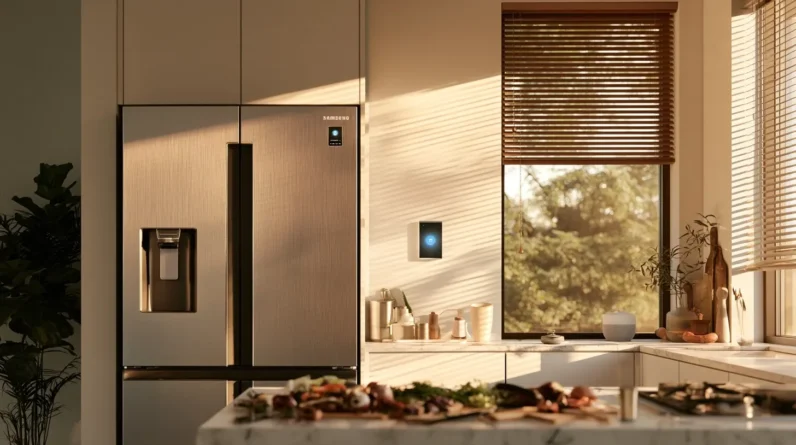



We measure real efficiency by how smart a device works, not by how fast its specs read. It’s about smart cores handling the right tasks, standby modes that actually cut power, and thermal designs that keep things cool without draining your battery. We also weigh the hidden costs of always-listening features against their convenience. Specs only tell part of the story—stick with us, and we’ll show you what really matters.
Why True Efficiency Beats Flashy Specs
While marketing teams love to tout gigahertz and gigabytes, we’ve learned that raw numbers rarely tell the whole story. When we evaluate a device, we focus on user experience over spec sheets. A phone with a slower processor but smart software optimization often outperforms its flashier competitor in daily use.
We run usability testing to see how devices behave under real conditions, not just benchmark scenarios. Energy management matters more than peak power—a device that lasts all day beats one that drains by lunch. That’s why feature prioritization counts: cramming in unnecessary functions wastes resources better spent elsewhere.
Ultimately, we care about real world performance. Does the device respond quickly? Does it last? Those answers matter more than any spec sheet ever will.
How Chips Balance Speed With Power Efficiency
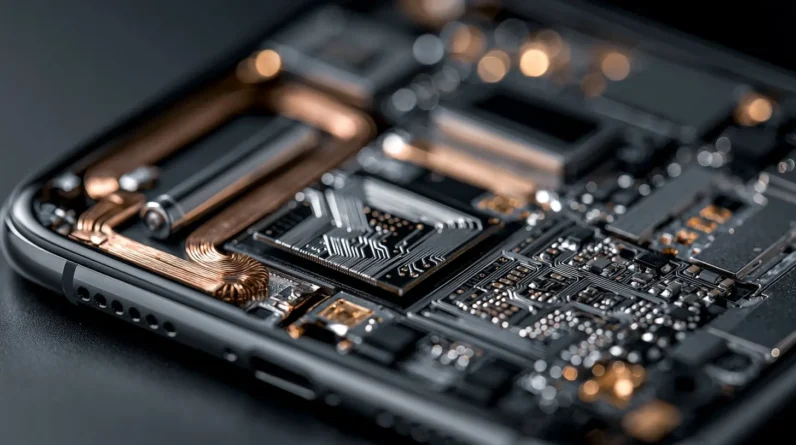
Because raw clock speed means nothing if a chip burns through battery life in an hour, we look closely at how processors juggle performance and power draw. Modern chips split work across cores built for different jobs: some handle heavy lifting, others sip power during light tasks like checking notifications. This division is the heart of performance optimization—matching the right core to the right workload instead of running everything at full throttle.
We also pay attention to computational trade offs manufacturers make under the hood. Faster processing often means more heat and shorter battery life, so engineers set limits on speed to protect efficiency. When we test a device, we’re really watching how well it negotiates that balance, not just how fast it can sprint before it stumbles.
The Hidden Energy Cost of Always-On Listening
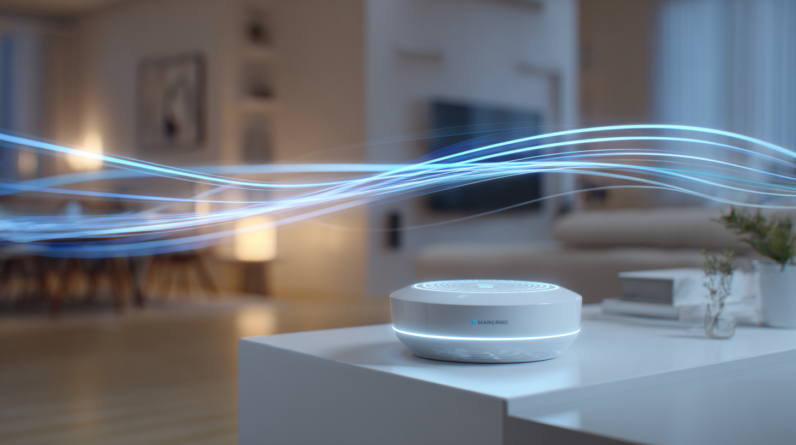
Since your voice assistant needs to hear you say “Hey Siri” or “OK Google” before it springs into action, it’s already listening long before you utter a single word. This voice activation relies on a low-power chip that constantly samples audio, waiting for its trigger phrase. That constant readiness carries real energy consumption costs, even though each individual listening cycle sips minimal power.
We rarely think about this trade-off, but it’s built into how our devices work. Manufacturers optimize these listening circuits aggressively, yet the always-on nature still drains batteries faster than we’d expect.
Beyond power, this raises privacy concerns: your device is technically hearing everything, not just its wake word. Understanding this changes our user habits—we start asking whether convenience is worth the hidden costs.
Standby Modes That Actually Save Real Power
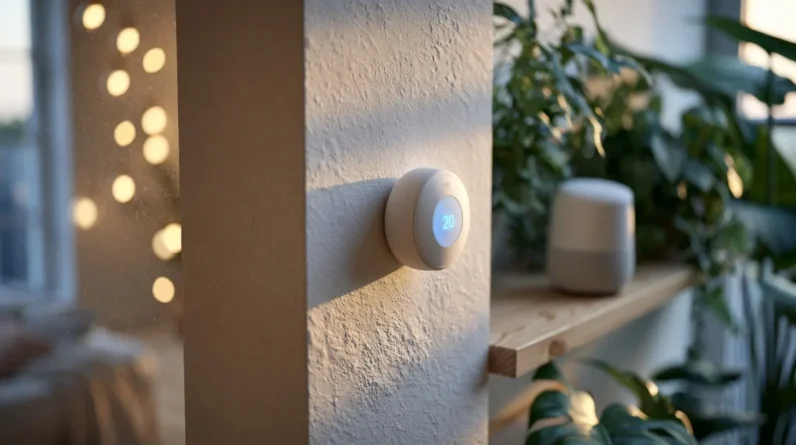
Not every standby mode is created equal, and that’s the good news buried in all this energy talk. We’ve tested devices where smart power management cuts idle consumption by 80% or more, proving standby technology has finally caught up to its promise.
Here’s what separates the winners: they suspend non-essential processes while keeping a lightweight wake circuit active. That’s it. No constant background scanning, no unnecessary radio pings—just a minimal listening thread that springs to life when you need it.
We recommend checking your device’s actual standby draw with a simple plug-in meter. You’ll often find newer models sipping under one watt, while older units guzzle five or more doing fundamentally nothing. That gap adds up fast across a household full of gadgets.
Why Thermal Design Drives Everyday Efficiency
Heat is the silent tax on every smart device we own, and paying it off starts with better thermal design. When we let heat build up inside a device, we force its components to work harder just to maintain performance. That’s wasted energy we never see on a spec sheet.
Smart thermal management changes this equation. By guiding heat away from processors and batteries efficiently, our devices avoid the throttling that drives up power draw. We get consistent speed without the hidden energy penalty of overheating.
This is where energy conservation and thermal engineering intersect directly. A well-ventilated design, smarter materials, and precise heat sensors mean our devices run cooler, last longer, and sip power instead of gulping it. Good thermal design isn’t cosmetic, it’s foundational efficiency.
Frequently Asked Questions
Does Fast Charging Reduce My Device’s Long-Term Battery Lifespan?
Yes, but modestly—we’ve found fast charging generates heat that stresses battery chemistry, slightly accelerating capacity loss over many charging cycles. We recommend mixing fast and standard charging, keeping your device cooler, and you’ll maximize long-term battery health effectively.
Can Software Updates Secretly Increase a Device’s Power Consumption?
Ironically, we call it “software optimization,” yet updates often drain you dry! We’ve seen unexpected features quietly hog processing power, forcing your battery to work overtime while promising better performance you never actually requested.
How Does Screen Brightness Compare to Processor Drain on Battery?
We’ll tell you straight: your screen usually drains more than your processor. Through screen optimization, we’ve seen brightness levels impact battery life more than heavy processing tasks. Dial down brightness, and you’ll notice real, lasting power savings immediately.
Do App Permissions Affect Background Power Usage Significantly?
Yes, absolutely—app permission impact runs deeper than you’d think. When we grant location or background data access, we’re letting background processes run unchecked, quietly draining battery even while our screen stays dark and idle.
Is Wireless Charging Less Energy-Efficient Than Wired Charging Methods?
Yes, we’ll admit it: wireless technologies waste more energy than wired methods. Power transmission through induction generates device heat, slows charging speeds, and increases energy waste—though you’re gaining serious charging convenience in return.
Conclusion
We understand what you’re thinking: efficiency sounds boring compared to flashy specs. But we’d argue it’s the opposite. When your phone’s battery lasts all day, when your speaker doesn’t overheat, when standby mode actually stands by—that’s efficiency working quietly in the background. We don’t need bigger numbers on a spec sheet. We need smarter engineering. That’s the real story worth caring about.