



Smart devices genuinely cut energy costs and simplify routines, but the industry oversells nearly everything. Smart thermostats pay for themselves within two years — most other devices don’t come close to matching that return. Hidden subscription fees, compatibility gaps, and inflated manufacturer claims quietly drain budgets. We’ve learned to demand verified, third-party data before trusting any efficiency promise. If you want to separate the worthwhile investments from the expensive disappointments, there’s plenty more to unpack here.
Where Smart Devices Actually Deliver Real Efficiency
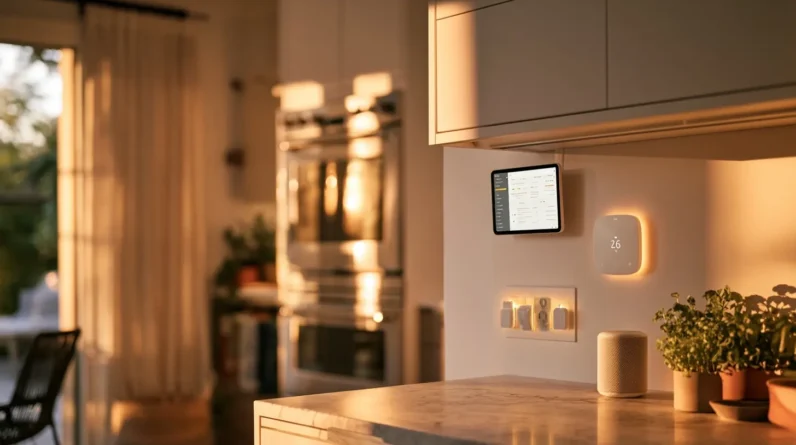
Smart devices deliver genuine efficiency gains in a few specific domains, and it’s worth identifying them clearly before dismissing or overselling the technology. Energy savings represent the strongest case — smart thermostats and lighting systems demonstrably reduce consumption when deployed correctly. Seamless integration between devices also reduces friction, compressing multi-step tasks into single actions. The user experience improves meaningfully when automation handles genuinely repetitive decisions rather than performative ones. However, we should weigh these gains against real costs. Data privacy isn’t a footnote — it’s a structural tradeoff embedded in most smart device ecosystems. Efficiency extracted at the cost of surveillance isn’t neutral progress. We’d be intellectually dishonest to celebrate the gains without acknowledging what we surrender to achieve them.
The Overpromises That Keep Costing You Money
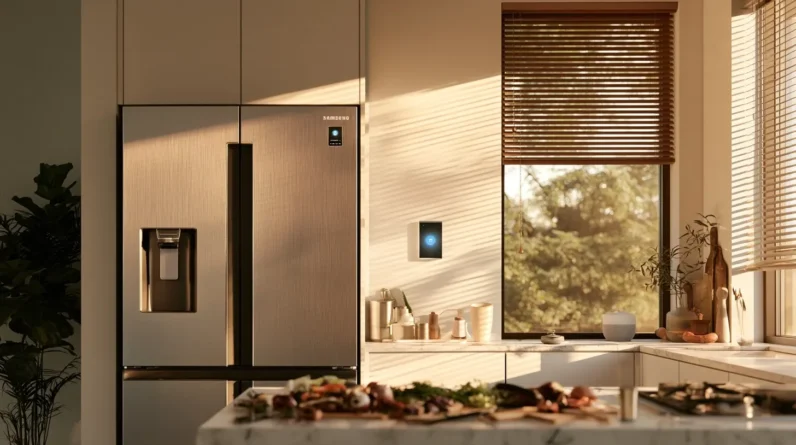
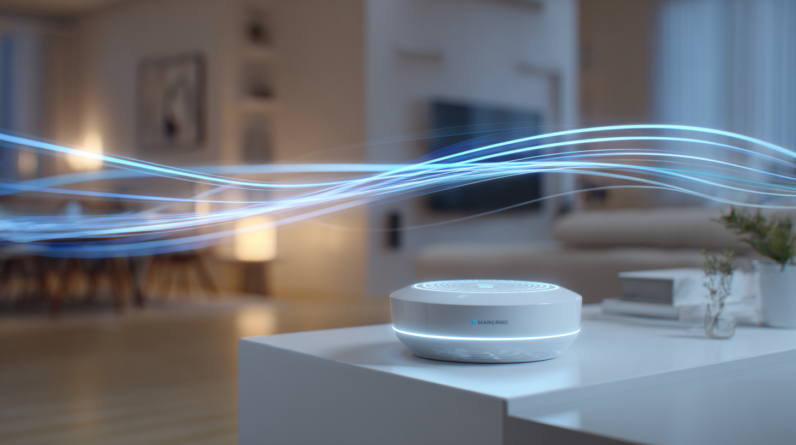
Despite the real efficiency gains we’ve outlined, the smart device industry has built a business model around overselling capability — and we’ve largely let it happen. Marketing frames every connected appliance as a long term investment, yet many devices deliver marginal returns that never justify upfront costs. Smart refrigerators, AI-powered air purifiers, and voice-controlled everything often consume more energy running their embedded processors than they save through automation. When you factor in subscription fees, mandatory app ecosystems, and accelerated obsolescence cycles, budget considerations shift dramatically against the consumer. We’re not dismissing the category — we’re demanding precision. Before purchasing, demand verified third-party efficiency data, not manufacturer projections. The gap between promised savings and actual performance is where the industry consistently profits at your expense.
Which Smart Devices Are Worth Buying Right Now?
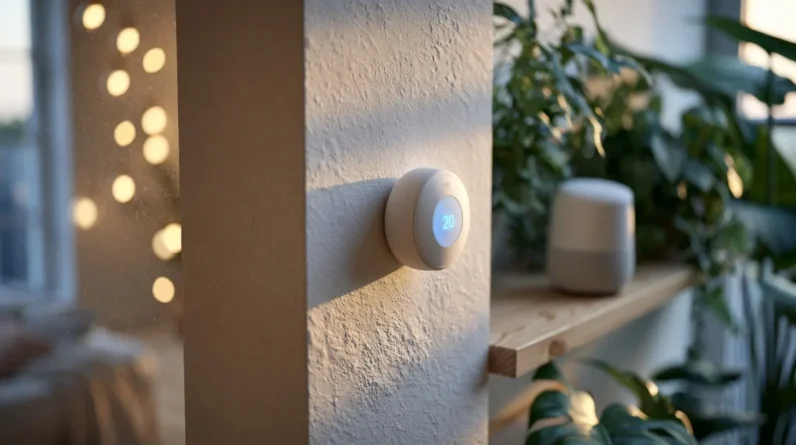
After cutting through the industry noise, a few device categories consistently hold up under scrutiny. Smart thermostats remain the strongest investment — they deliver measurable energy savings, integrate cleanly with existing HVAC systems, and pay for themselves within two years under typical usage. The data backs them up.
Fitness trackers occupy a more conditional position. They’re worth buying if you’ll actually engage with the metrics they surface — sleep patterns, heart rate variability, activity baselines. Without behavioral follow-through, they’re expensive pedometers.
Beyond these two categories, scrutinize everything harder. Ask whether the device solves a real friction point or manufactures a new dependency. The strongest smart devices disappear into your routine. The weakest ones demand constant attention while delivering diminishing returns.
Hidden Fees and Compatibility Issues to Watch For
The purchase price is rarely the full cost. Many smart devices carry hidden charges—subscription tiers for advanced features, cloud storage fees, or mandatory premium apps that enable basic functionality. We’ve seen thermostats requiring paid integrations and cameras locking footage behind monthly paywalls.
Compatibility challenges compound the problem. Not every device plays nicely within mixed ecosystems. A Matter-certified hub might still reject older Zigbee peripherals, and Apple HomeKit’s strict certification process excludes a surprising number of otherwise capable devices.
Before committing, we recommend auditing three things: recurring costs buried in the fine print, ecosystem alignment with what you already own, and firmware update policies. A device that becomes unsupported in two years isn’t an investment—it’s a liability. Research aggressively before purchasing.
How to Cut Through the Hype and Buy Smarter
Knowing what to avoid only gets us halfway there—we also need a sharper framework for deciding what’s actually worth buying. Solid buying strategies start with ruthless evaluating needs before touching a product page.
Ask yourself these diagnostic questions:
- Does this device solve a currentproblem, or a hypothetical one?
- Can it integrate with what we already own without friction?
- Is the efficiency gain measurable, or purely marketed?
- Will this device still function without a subscription in two years?
- Does independent testing confirm the manufacturer’s performance claims?
If a product can’t clear these filters, it doesn’t earn shelf space. We’re not anti-innovation—we’re pro-accountability. Smart purchasing means demanding evidence over enthusiasm, specificity over spectacle, and long-term value over launch-day excitement.
Frequently Asked Questions
How Do Smart Devices Impact the Mental Health of Frequent Users?
Smart devices raise our anxiety levels through connectivity dependence and social comparison. We’re battling tech fatigue and excessive screen time, making digital detox essential—not optional—for protecting our mental health and cognitive clarity.
Are Smart Devices Safe for Households With Young Children?
Hark, smart devices aren’t inherently safe — we must leverage parental controls, privacy settings, and device monitoring to guarantee child safety. We’ll balance screen time with educational benefits, but we’d be foolish not to remain skeptical of manufacturers’ promises.
What Happens to Your Smart Device Data After the Company Shuts Down?
When a business shutdown occurs, we can’t guarantee our data’s fate. Without clear data retention policies or user consent protections, data ownership becomes murky—companies may sell, delete, or expose your information despite existing security measures and data privacy promises.
Can Smart Devices Be Fully Functional Without an Internet Connection?
Don’t hold your breath—true offline functionality is rare. We’ll find that most smart devices lack genuine device autonomy, relying heavily on cloud servers for core features, leaving us with expensive hardware that’s surprisingly dependent.
How Environmentally Sustainable Is the Production of Smart Devices?
Smart device production’s sustainability is questionable. We’re seeing carbon footprints rise, energy consumption soar, and ethical sourcing compromised. Without rigorous lifecycle analysis, sustainable materials adoption, and meaningful recycling programs, we can’t claim genuine environmental responsibility.
Conclusion
We’ve been sold the dream of a home that thinks for itself, but most smart devices are still just expensive remote controls. Think of it like buying a GPS that only works on highways—impressive in theory, limited in practice. The EPA found smart thermostats save roughly 8% on heating bills. That’s real, but it’s not revolutionary. Buy the device that solves your specific problem, not the one with the most impressive product page.