


Smart devices don’t save energy through one big feature — they do it through dozens of silent micro-optimizations running simultaneously. We’re talking about adaptive sensors, dynamic voltage scaling, task scheduling, and machine learning habit tracking all working together beneath the surface. These layered systems eliminate idle cycles, throttle background processes, and redistribute battery loads in real time. Individually, each gain seems minor, but cumulatively they translate into measurable efficiency at scale — and there’s far more to unpack here.
How Smart Devices Learn Your Habits to Cut Waste
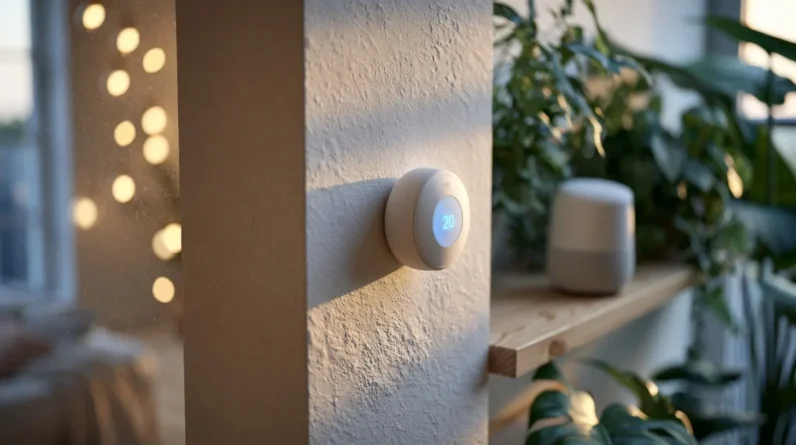
Smart devices reduce waste by continuously analyzing usage patterns and adapting their behavior through machine learning algorithms. Through habit tracking, these systems build behavioral profiles that predict when, where, and how we’ll use specific devices. A smart thermostat, for example, doesn’t just respond to manual input — it anticipates our schedules, pre-conditioning spaces precisely when needed and standing down when we’re absent.
This precision directly impacts energy consumption by eliminating idle operation cycles that traditional devices sustain unnecessarily. The algorithms refine themselves iteratively, weighting recent behavioral data more heavily than older entries, ensuring accuracy improves over time. We’re not simply programming devices anymore; we’re deploying adaptive systems that autonomously optimize resource usage based on the granular intelligence they extract from our daily routines.
The Hidden Energy-Saving Tech Inside Everyday Smart Devices
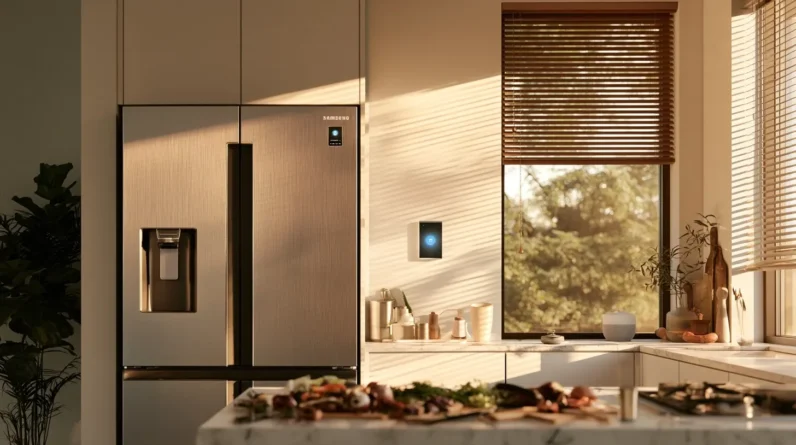
Beneath the familiar surfaces of thermostats, refrigerators, and lighting systems lies a layered stack of energy-saving hardware we rarely think about. These components work in concert, executing precise load management through continuous energy monitoring and real-time decision logic.
Here’s what’s actually operating beneath the surface:
- Adaptive sensors — detect occupancy, temperature differentials, and ambient light to trigger micro-adjustments automatically
- Low-power microcontrollers — maintain background processing without drawing significant wattage
- Energy monitoring chips — measure consumption at the component level, enabling granular efficiency reporting
- Dynamic voltage scaling circuits — reduce processor voltage during low-demand cycles
We overlook these systems because they’re silent. But they’re continuously executing efficiency protocols that compound into measurable energy reductions across every operating hour.
Why Your Smart Device’s Battery Outlasts What You’d Expect
Many of us assume battery longevity comes down to raw capacity alone, but the actual driver is power architecture. Modern smart devices implement dynamic battery management systems that continuously monitor load states and redistribute energy consumption across subsystems. When a processor detects low-demand tasks, it throttles voltage delivery rather than maintaining peak draw. Radios power-cycle between transmission windows instead of sustaining constant broadcast. Sensors sample intermittently, not continuously. Each optimization compounds. We’re not seeing bigger batteries — we’re seeing smarter allocation. The battery management controller negotiates between performance requirements and energy consumption budgets in real time, millisecond by millisecond. That negotiation, invisible to the user, is precisely why a device running sophisticated software still returns a full day of operation on modest hardware.
How Background Optimization Keeps Smart Devices Running Smoothly
While battery management governs energy allocation, background enhancement handles the computational layer — the continuous, largely invisible process of scheduling, prioritizing, and deferring tasks so the device stays responsive without burning unnecessary cycles. Effective resource management guarantees foreground performance remains uncompromised while background processes execute efficiently. Here’s what that looks like systematically:
- Task Scheduling — Low-priority background processes execute during idle windows, not during active use.
- Process Throttling — Background processes exceeding resource thresholds get throttled automatically.
- Memory Trimming — Inactive applications release allocated memory, freeing it for immediate demands.
- Deferred Execution — Non-urgent tasks queue until conditions — connectivity, charging state, or idle time — align effectively.
Together, these mechanisms form a layered resource management framework that keeps devices fast, stable, and predictable without user intervention.
Small Efficiency Gains That Add Up to Big Savings Over Time
Each individual optimization — a deferred sync, a throttled background process, a trimmed memory allocation — contributes only marginal savings in isolation, but these gains compound meaningfully across millions of micro-decisions made daily. Through energy monitoring and cost tracking, we can quantify what intuition alone misses.
| Optimization Type | Cumulative Annual Impact |
|---|---|
| Deferred background syncs | ~18 kWh saved per device |
| Throttled CPU idle states | ~12 kWh saved per device |
| Adaptive display scaling | ~9 kWh saved per device |
These figures aren’t theoretical — they’re measurable outcomes extracted from longitudinal energy monitoring datasets. When cost tracking spans device fleets, even single-digit watt reductions translate into hundreds of dollars annually. Precision at the micro-level drives performance at scale.
Frequently Asked Questions
Are Smart Devices More Efficient When Connected to a Smart Home Hub?
Yes, we see real gains through hub integration—centralized control releases interoperability benefits, maximizes device compatibility, refines usage patterns, enables precise automation scenarios, delivers smart alerts, and optimizes energy monitoring across every connected system we’re managing.
Do Smart Devices Collect Personal Data While Optimizing Their Performance?
Yes, smart devices do collect personal data while optimizing performance. We must prioritize data privacy and guarantee user consent governs what’s gathered, as these systems analyze usage patterns, preferences, and behavioral metrics to enhance efficiency.
Can Smart Devices Still Function Efficiently During a Power Outage?
Most smart devices can’t maintain full efficiency during a power outage unless we’ve integrated battery backup systems. We must account for energy consumption thresholds to guarantee critical functions remain operational when grid power’s unavailable.
How Do Software Updates Impact the Long-Term Efficiency of Smart Devices?
Old code slows; new firmware improvements sharpen it. We’ve seen how systematic software updates directly optimize energy management, refining power consumption algorithms, patching inefficiencies, and extending your device’s operational lifespan with measurable, compounding performance gains over time.
Is There a Difference in Efficiency Between Budget and Premium Smart Devices?
Yes, we’ll find that budget device performance degrades faster due to weaker processors and limited RAM. Premium device longevity stems from superior components, optimized firmware, and sustained software support, maintaining efficiency over extended operational cycles.
Conclusion
We’ve covered how smart devices learn, adapt, and optimize — and it’s no coincidence that each efficiency layer compounds the next. When habit-learning aligns with background optimization, when battery management coincides with intelligent scheduling, the cumulative output exceeds individual components. We don’t often notice these systems working precisely because they work so well. The efficiency we overlook isn’t accidental — it’s systematically engineered, quietly stacking small gains into measurable, long-term performance advantages we benefit from daily.