



Specs on a page won’t tell us how a device actually holds up. We’ve found build quality, real-world battery life, and software support timelines matter far more day-to-day than raw numbers. Ecosystem integration and repair accessibility also shape whether we love or regret a purchase months later. Comparing these factors side-by-side beats chasing benchmarks alone. Stick with us, and we’ll break down exactly what to check before you buy.
Build Quality Tells You More Than Benchmarks
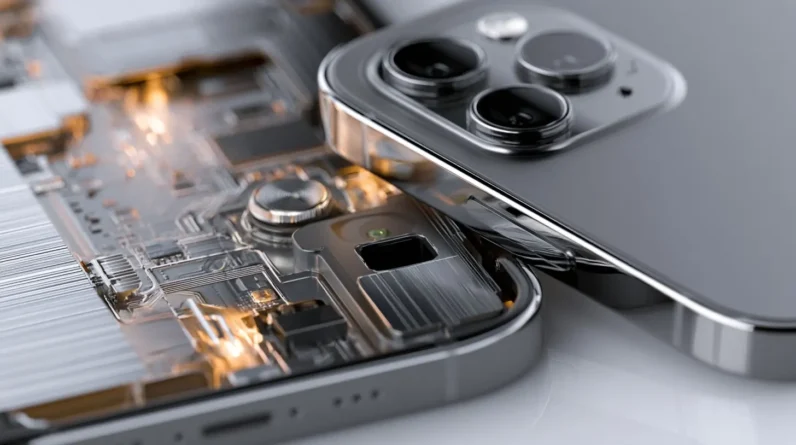
When we pick up two phones with identical chipsets, we can usually tell within seconds which one costs more—and it’s rarely the screen or the camera bump that gives it away. It’s the way the frame sits in our hand, how the buttons click, whether the back panel flexes when we twist it gently. Design aesthetics matter, but material durability tells the real story. Aluminum unibodies resist dents better than plastic-backed frames. Glass with higher-tier coatings shrugs off pocket scratches that’ll cover cheaper phones within a month.
We’ve learned to check hinge mechanisms on foldables, seam gaps on flagships, and coating quality on camera housings. These details predict how a device ages—something no benchmark chart will ever show us.
Why Battery Life in Real Use Beats Advertised Numbers
Two phones can share the same 5,000mAh capacity and still behave nothing alike once we’re off the charger. Advertised figures come from lab conditions—fixed brightness, no background sync, ideal signal. Real world performance depends on chip efficiency, software optimization, and how aggressively a device manages idle drain. We’ve tested units with identical specs where one lasted six hours longer simply because of better power management.
That’s why we trust user experiences over marketing claims. Forums and long-term reviews reveal patterns spec sheets can’t: which phones sag after a year of battery cycles, which throttle performance to preserve charge, which apps quietly drain power in the background.
Before buying, we check real usage benchmarks, not just mAh numbers. That single habit prevents most battery-related disappointment.
How Software Support Determines Your Device’s Lifespan
Battery habits only get you so far if the manufacturer stops supporting the device after a year or two. We’ve learned that software updates matter more than the specs sheet suggests. A phone with mediocre hardware but five years of security patches will outlast a flagship abandoned after eighteen months. Before we buy anything, we check the manufacturer’s update commitment—not just the promise, but their track record of keeping it.
Long term performance depends on this consistency. Unpatched devices slow down, become vulnerable, and lose app compatibility as developers optimize for newer OS versions. We’ve watched capable hardware become obsolete simply because updates dried up. When we compare devices now, we weigh support timelines as heavily as processing power. That’s the difference between a two-year device and a five-year investment.
Ecosystem Integration Makes Everyday Use Feel Seamless
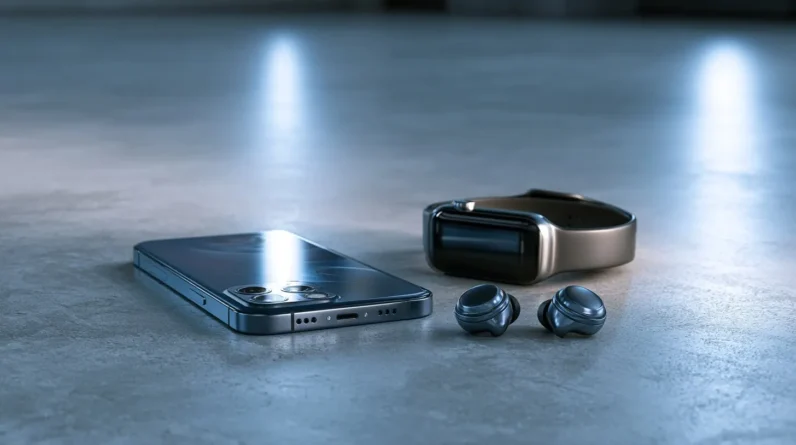
Once we’ve lived with a device that talks fluently to our other gadgets, going back to isolated hardware feels clumsy. We stop noticing the tech and start noticing the flow: notifications sync, files transfer, and controls stay consistent across screens. That’s what real ecosystem integration delivers—a user experience built on cohesion, not just capability.
When we evaluate connectivity options, we look past marketing claims and test three things:
- Cross-device continuity — can we start a task on one device and finish on another without friction?
- Protocol compatibility — does it support open standards, or lock us into a single brand?
- Response latency — how fast do commands and syncs actually execute?
Mastering these details separates devices that merely connect from those that genuinely integrate.
Customer Support and Repair Options You Shouldn’t Ignore
Seamless integration means little if the device fails and we can’t get it fixed quickly. We’ve learned to check warranty options before purchasing, not after something breaks. Standard coverage varies widely—some manufacturers offer one year, others extend to two, and that difference matters when components fail outside typical wear patterns.
Repair accessibility deserves equal scrutiny. We look for brands with authorized service centers nearby, not just mail-in options that leave us without a device for weeks. Companies offering local repairs, loaner units, or same-day service consistently outperform those relying solely on shipping devices to distant facilities.
We also compare part availability and third-party repair support. Brands that restrict independent repairs or discontinue parts quickly create long-term frustration. Choosing devices with transparent support policies saves us time, money, and unnecessary downtime later.
Frequently Asked Questions
How Much Should I Budget for Accidental Damage Protection Plans?
We recommend budgeting 10-15% of your device’s value annually for accidental coverage options. Compare budget protection plans across providers—we’ve found deductible structures and claim limits matter more than premium costs alone.
Are Refurbished Smart Devices Worth Buying Instead of New Ones?
We think refurbished units deliver solid value when you buy from certified sellers. We’ve found refurbished reliability holds up well, but watch warranty differences—shorter coverage periods mean we recommend budgeting for protection plans immediately after purchase.
Does Trading in Old Devices Affect Getting the Best Upgrade Price?
Yes, trade-in value directly impacts your upgrade price, but we’ve found device condition matters most. We always compare multiple retailers’ offers before committing, since screen damage, battery health, and accessories can swing valuations by 20-30%.
How Do I Know if a Warranty Covers Battery Replacement Costs?
not all warranties treat battery life the same. We’ve learned to dig into warranty terms specifically—comparing degradation thresholds, replacement caps, and coverage duration before assuming you’re protected.
Can Third-Party Accessories Void My Device’s Manufacturer Warranty?
Not usually—unless we’re using accessories that directly damage components. We’ve found third party compatibility rarely triggers full voidance, but manufacturers may deny claims for issues they cause. Check warranty implications specifically around “consequential damage” clauses before assuming full protection remains intact.
Conclusion
We’ve learned that specs sheets don’t tell the whole story—build quality, real battery life, software support, ecosystem fit, and repair options do. We’ve dropped devices with killer benchmarks for ones that just work, day after day. When we’re choosing our next device, we’re weighing these factors first. Because a phone that dies after two years isn’t a bargain, it’s a paperweight with a nicer screen.