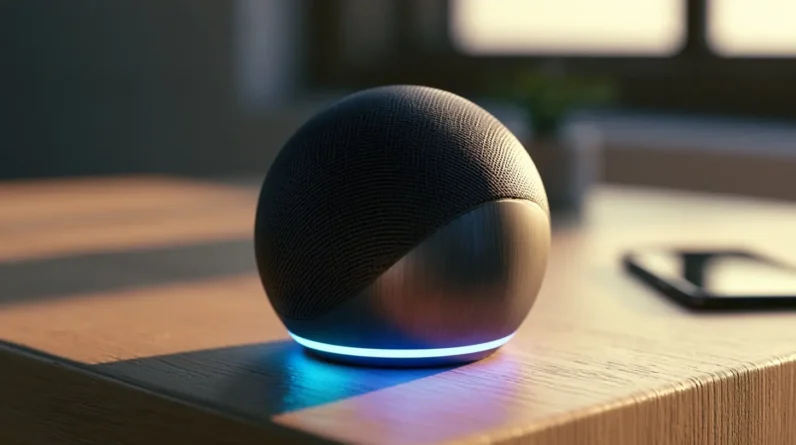




When we evaluate a smart device’s privacy protections, we prioritize end-to-end encryption, so only sender and recipient access data. We customize privacy settings, restricting location, ad tracking, and permissions we don’t need. We demand transparent data collection policies, avoiding vague disclosures. We favor local processing over unchecked cloud storage, and we require automatic updates with multi-factor authentication. Below, we break down each safeguard and what it means for you.
End-to-End Encryption Keeps Your Data Locked Down
Two parties, and only two parties, can read a message protected by end-to-end encryption: the sender and the intended recipient. We rely on this protocol because it eliminates the vulnerabilities inherent in server-side storage—not even the service provider holds decryption keys. When we transmit data through smart devices, we’re exposed to interception risks at every network node. End-to-end encryption mitigates this exposure by encrypting data at the source and decrypting it only at the destination.
This mechanism preserves data integrity throughout transmission, ensuring that information remains unaltered and authentic from origin to endpoint. For compliance-driven environments, we consider this non-negotiable: secure communication demands cryptographic assurance, not mere policy promises. We should prioritize devices that implement this standard by default.
Privacy Settings You Should Customize Right Away
Encryption alone can’t protect us if we leave default configurations exposed on the device itself. Manufacturers prioritize convenience over confidentiality, so we must audit and adjust these settings immediately upon setup. First, we should disable location tracking for apps that don’t require it operationally. Second, we need to restrict ad tracking and personalized data collection, which often ships enabled by default. Third, we must review microphone and camera permissions, revoking access for applications lacking legitimate need.
User awareness is our strongest defense here—we can’t rely on vendors to prioritize our privacy over their data collection interests. We should also disable cloud backups for sensitive data unless we’ve verified encryption standards. Taking control of default settings minimizes our exposure and closes gaps attackers routinely exploit.
How Transparent Is the Device’s Data Collection Policy?
How often do we actually read the privacy policy before tapping “I agree”? We shouldn’t skip this step, because data transparency reveals precisely what a manufacturer collects, retains, and monetizes. Vague language like “may share data with partners” signals weak accountability and warrants scrutiny before purchase.
We need to evaluate policy clarity by checking for specifics: What data types get collected? For how long is it retained? Which third parties receive access? Reputable manufacturers publish this information in plain, structured language rather than dense legal jargon designed to discourage review.
We recommend prioritizing devices that offer downloadable data logs and itemized collection summaries. If a company resists disclosing its practices in accessible terms, that resistance itself constitutes a critical warning sign we shouldn’t ignore.
Local Processing vs Cloud Storage: Which Is Safer?
Once we’ve assessed how clearly a manufacturer discloses its data practices, we need to examine where that data actually lives. Local processing keeps information on the device itself, minimizing exposure to network interception and third-party server breaches. We should prioritize devices offering this architecture, as it reduces our attack surface considerably. Cloud storage, conversely, introduces dependency on a vendor’s security infrastructure—we’re trusting their encryption standards and access protocols entirely.
That said, device limitations often force cloud reliance: constrained storage capacity and processing power can’t support complex AI features locally. We recommend scrutinizing whether manufacturers offer user control over this tradeoff—specifically, opt-out settings or hybrid configurations. Devices granting granular control over what syncs remotely versus what stays local demonstrate superior privacy engineering and deserve preference in our evaluations.
Software Updates and Permissions That Guard Your Privacy
Because storage architecture only tells half the story, we must also evaluate how devices maintain security over time through updates and permission structures. We recommend prioritizing devices that deliver automatic, verifiable security patches, since outdated firmware creates exploitable vulnerabilities regardless of initial design integrity. We also urge you to scrutinize permission requests critically—legitimate manufacturers practice data minimization, requesting only what’s operationally necessary.
| Feature | Risk if Absent | Compliance Benefit |
|---|---|---|
| Automatic updates | Unpatched exploits | Sustained security posture |
| Multi-factor authentication | Unauthorized access | Verified user identity |
| Granular permissions | Excessive data exposure | Regulatory alignment |
| Update transparency | Hidden vulnerabilities | Audit-ready documentation |
We insist that robust user authentication protocols—particularly multi-factor options—remain non-negotiable when evaluating any connected device’s long-term privacy resilience.
Frequently Asked Questions
Can Hackers Access My Smart Device Through My Home Wi-Fi Network?
Yes, we recognize that unsecured routers expose smart home vulnerabilities, allowing hackers lateral access to your connected devices. We recommend you implement WPA3 encryption, segment your network, and monitor for network security threats to guarantee robust compliance.
What Should I Do Before Selling or Discarding My Old Smart Device?
Before your device changes hands, treat it like a vault holding secrets: we recommend completing a thorough data backup, then executing a full factory reset, ensuring residual credentials, cached files, and personal identifiers are irrecoverably purged from internal storage.
Are Smart Devices Safe to Use in Shared or Public Spaces?
We can’t guarantee complete safety; shared environments amplify privacy risks through unauthorized data sharing. We recommend enforcing strict user consent protocols, prioritizing public safety, and maintaining rigorous device management to mitigate exposure effectively.
Does Using a VPN Improve My Smart Device’s Privacy Protection?
Yes—we recognize VPN benefits as substantial: encrypted traffic mitigates smart device vulnerabilities, reducing interception risks. We recommend you implement VPN protocols consistently, ensuring compliance with data-security standards while safeguarding transmitted information from unauthorized access across your connected devices.
Can Smart Devices Be Used as Evidence in Legal Proceedings?
Yes, we confirm smart evidence can be subpoenaed in legal proceedings. We urge you to understand the legal implications: device logs, timestamps, and metadata may be admissible, so we recommend maintaining rigorous data-retention compliance protocols.
Conclusion
We can’t overstate this: every unencrypted device is a wide-open vault, every ignored permission a signed liability waiver. We’re obligated to treat privacy configuration as non-negotiable risk management, not optional preference. We must scrutinize data policies, favor local processing, and enforce update compliance without exception. The stakes aren’t hypothetical—they’re existential for our digital security. We owe it to ourselves to act decisively, because complacency here isn’t neutral; it’s catastrophic.