


We think five features separate truly smart devices from gimmicks. First, seamless connectivity lets your gadgets talk to each other effortlessly. Second, adaptive learning means they get to know your habits over time. Third, intuitive automation anticipates what you need before you ask. Fourth, robust security keeps your data locked down. Finally, genuine problem-solving beats flashy marketing every time. Stick around, and we’ll break down each one.
Seamless Connectivity Across All Your Devices
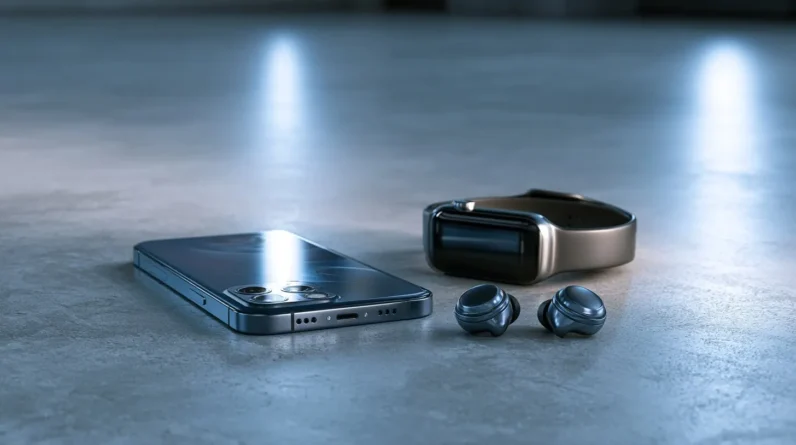
Three taps are all it takes to move a song from your phone to your speaker, and that’s the point. We judge a device “smart” by how invisibly it talks to everything else you own. Cross device synchronization means your notes, playlists, and settings update everywhere at once—no manual transfers, no version confusion. But sync alone isn’t enough; you need network interoperability, too. That’s what lets your phone, laptop, and thermostat speak the same language regardless of brand or operating system.
Compare this to older setups: a single missing driver could break the whole chain. Today, we expect Wi-Fi, Bluetooth, and cloud protocols to cooperate automatically. When they do, you stop thinking about connections entirely—you just move between devices, and everything follows you.
Adaptive Learning: How Smart Devices Get to Know You
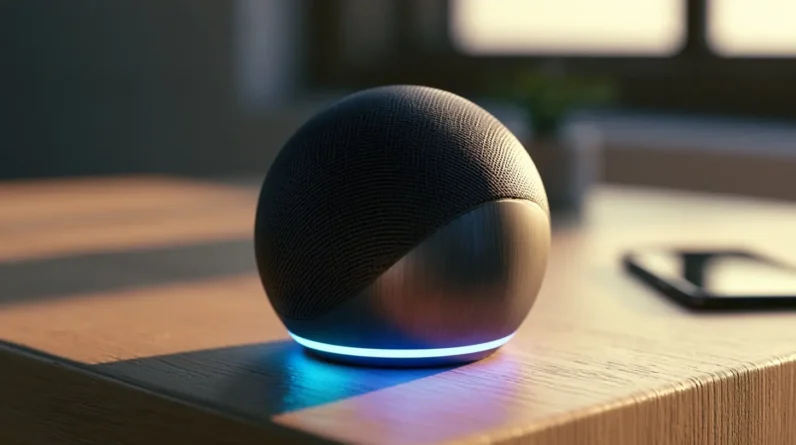
Because your thermostat remembers you like it cooler on weeknights, it doesn’t ask twice. That’s adaptive learning at work—devices tracking user behavior and adjusting without extra prompts. We see it differently than static automation: a smart speaker that learns your morning playlist versus one that repeats yesterday’s settings blindly. The difference lies in pattern recognition over time, not just stored preferences.
We prioritize devices that turn behavior into personalized recommendations. Your fitness tracker suggesting rest days based on sleep patterns beats generic reminders every time. Your streaming device queuing shows you’ll actually watch outperforms random suggestions.
We look for systems that improve with use, not ones that stay fixed after setup. That’s the real test: does it know you better this month than last?
Intuitive Automation That Anticipates Your Needs
Learning your habits is one thing; acting on them before you ask is another. We call this the difference between passive awareness and true anticipation. A truly smart device doesn’t just store data—it applies context aware features to predict what you need next. Your thermostat drops the temperature because it knows your bedtime, not because you told it to. Compare that to a basic timer: rigid, blind to circumstance, ignorant of change.
That’s what separates a gadget from an intuitive tool. We rely on user friendly interfaces to make these predictions visible and adjustable, so automation never feels like guesswork. You stay in control while the device handles the routine calculations. The result? Less friction, more precision, and technology that finally moves at your pace.
Why Robust Security Can’t Be an Afterthought
Once a device starts predicting our habits, it also starts collecting the very data that makes those predictions possible—and that’s exactly what makes security non-negotiable. We need to treat data privacy as a design requirement, not a feature we bolt on later. Strong encryption standards protect information both in transit and at rest, while reliable user authentication guarantees only we can access our own systems. Devices that skip regular vulnerability assessments leave gaps attackers exploit quickly. That’s why we should prioritize hardware and platforms committed to secure updates, since threat mitigation only works when patches arrive consistently and automatically. Compare two similar devices: the one with transparent security practices and continuous monitoring will always outperform the one that treats protection as optional. Smart, without security, isn’t smart at all.
Smart Device or Marketing Gimmick? How to Tell the Difference?
After security, the next question we should ask is simpler: does this device actually solve a problem, or does it just sound impressive on a spec sheet? We can separate genuine innovation from marketing noise by testing function against buzzwords.
| Gimmick Trait | Genuine Smart Feature |
|---|---|
| Voice recognition that misfires constantly | Voice recognition that learns your patterns reliably |
| Vague “smart” labeling with no data privacy details | Transparent data privacy policies and clear compatibility standards |
| Flashy user interface, poor energy efficiency | Intuitive user interface paired with real energy efficiency |
We should scrutinize personalization features too—do they adapt meaningfully, or just rename basic settings? If a device can’t demonstrate measurable value beyond novelty, it’s likely gimmick, not genuine intelligence.
Frequently Asked Questions
How Much Do Smart Devices Typically Cost to Purchase and Maintain?
Purchase costs vary widely—budget smart plugs run $15-25, while premium hubs hit $200+. We find maintenance expenses stay low: occasional firmware updates, subscription fees for advanced features, and replacement batteries. You’ll typically spend less maintaining smart devices than traditional alternatives.
Can Smart Devices Work Without a Stable Internet Connection?
Yes, but with limits. We find offline functionality varies widely: some device capabilities—like basic automation or local storage—still work, while others, such as voice commands or remote access, need connectivity to function properly.
What Happens to My Data if a Company Shuts Down?
Like a house left unsecured when the owner moves away, your data can sit exposed. We think data ownership and privacy concerns should push you toward local storage options, unlike cloud-dependent devices that vanish with the company.
How Long Do Smart Devices Typically Last Before Becoming Obsolete?
We typically see device lifespan average three to five years before technological advancements outpace them. Unlike traditional appliances lasting decades, we’re comparing shorter cycles here—software updates stop, hardware can’t keep up, and you’re left upgrading sooner than expected.
Are Smart Devices Environmentally Friendly or Wasteful Long-Term?
It’s both: we gain energy efficiency through smart scheduling and automation, but frequent upgrades create electronic waste. Compared to older devices, smart tech saves power daily yet costs more environmentally when we replace it too soon.
Conclusion
We’ve covered what really sets a smart device apart from one that’s just riding the trend. It’s not about flashy features—it’s about connectivity that clicks, learning that listens, automation that anticipates, and security that doesn’t cut corners. When we’re comparing options, we shouldn’t get swept up by buzzwords. We deserve gadgets that pull their weight, not ones coasting on good looks. Choose wisely, and your devices will actually work for you.