


Smart home features like voice commands, automated routines, and connected devices are genuinely transforming daily life. We can dim lights, adjust thermostats, and lock doors hands-free, all without breaking focus. Smart routines chain these actions together — a single phrase handles your entire morning or bedtime sequence. Compatible devices from unified ecosystems work even harder together, cutting energy bills and simplifying home management. There’s plenty more to uncover about making these features work seamlessly for you.
How Voice Commands Make Everyday Tasks Effortless
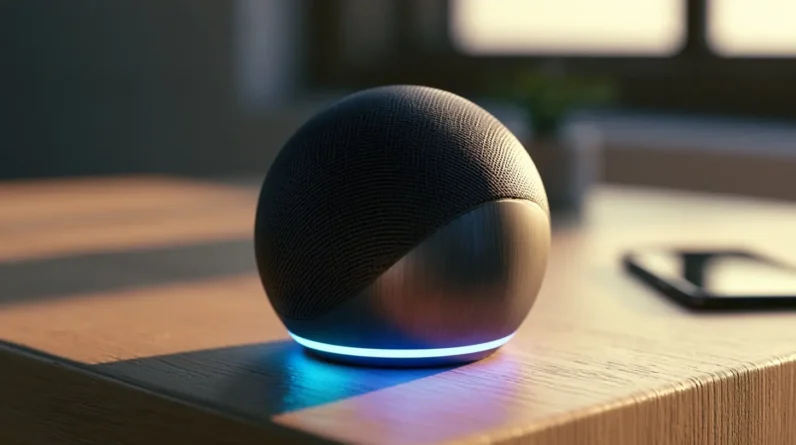
Voice commands have transformed how we interact with our homes, letting us control lights, thermostats, locks, and entertainment systems without lifting a finger. Modern voice recognition technology has reached impressive accuracy levels, reliably interpreting natural speech patterns even in noisy environments. We can ask our devices to dim the lights, adjust the temperature, or play music, and they respond instantly.
Task automation takes this convenience even further. Rather than issuing individual commands, we’re able to chain multiple actions together through a single phrase. Saying “good morning” can simultaneously raise the blinds, start the coffee maker, and read the day’s schedule. These capabilities don’t just add convenience—they fundamentally shift how we allocate our attention, freeing us to focus on what genuinely matters throughout the day.
Smart Home Features That Actually Save You Money
Beyond convenience, smart home technology delivers real financial returns that show up directly on our utility bills. Smart thermostats learn our schedules and adjust temperatures automatically, cutting heating and cooling costs by up to 15%. Energy monitoring tools let us track consumption in real time, identifying power-hungry devices we’d never otherwise suspect.
Smart plugs eliminate phantom loads by cutting power to idle electronics, while automated lighting systems guarantee we’re never paying to illuminate empty rooms. These incremental cost savings compound meaningfully across months and years.
Water-sensing devices detect leaks before they become expensive disasters, and smart irrigation controllers water lawns only when conditions actually require it. When we treat these devices as investments rather than gadgets, the payback period is surprisingly short.
The Best Smart Home Routines for Morning and Night
Once we’ve set up devices that save us money, we can access even more value by programming smart routines that automate the most repetitive parts of our day. Morning motivation and night relaxation become effortless when our devices work in sync.
Try building routines around these triggers:
- Wake-up routine: Gradually brighten lights, start the coffee maker, and read your calendar aloud
- Morning departure: Lock doors, adjust the thermostat, and arm security systems automatically
- Evening wind-down: Dim lights and lower blinds at sunset
- Night relaxation mode: Activate white noise, drop temperatures, and silence notifications
- Bedtime confirmation: Lock all entry points and cut unnecessary power
These sequences eliminate decision fatigue and transform chaotic shifts into smooth, intentional moments.
Which Smart Home Devices Work Best Together?
Now that our devices are running on smart routines, the real magic happens when we pair the right products together. Device compatibility isn’t just a technical checkbox — it’s the foundation of ecosystem harmony. When your smart thermostat communicates with your occupancy sensors, or your smart lights sync with your security cameras, you’re experiencing real integration benefits.
We recommend building within a single ecosystem — Google Home, Apple HomeKit, or Amazon Alexa — to maximize workflow optimization and reduce friction. Cross-platform devices like Philips Hue and Ecobee support multiple ecosystems, giving you flexibility without sacrificing performance.
Prioritizing compatibility transforms a collection of gadgets into a unified system. That’s where user experience genuinely elevates — every device working intelligently together, anticipating needs before you voice them.
How to Automate Your Home Without Overwhelming Yourself
Starting simple is how we avoid the automation trap — buying too many devices too fast and ending up with a fragmented, frustrating setup. Automating simplicity means building deliberately, one routine at a time, until your ecosystem flows naturally. Stress free integration happens when every device earns its place.
Prioritize these foundational automation moves:
- Schedule lights to match your morning and evening rhythms
- Set thermostats to adjust automatically before you wake or sleep
- Create “Leaving Home” routines that lock doors and cut power simultaneously
- Use motion sensors to trigger lights in high-traffic areas
- Group devices by room so single commands control multiple actions
Layer complexity gradually. Master each routine before adding another. Your smart home should reduce cognitive load, not create a new management job.
Frequently Asked Questions
Are Smart Home Devices Safe for Children and Elderly Family Members?
Yes, we can make smart home devices safe for everyone! With proper child safety settings and elder accessibility features, we’ll guarantee our devices protect young ones and help seniors maintain independence confidently and securely.
Can Smart Home Devices Still Function During an Internet Outage?
Some smart home devices retain offline capabilities, meaning they’ll still work without internet. However, we must acknowledge device limitations—cloud-dependent features like remote access and voice assistants won’t function until connectivity’s restored.
Do Smart Home Devices Collect and Sell My Personal Data?
Many smart home devices do collect your personal information through usage tracking, but they don’t always sell it. We recommend reviewing data privacy policies, ensuring data encryption, understanding user consent options, and patching security vulnerabilities regularly.
How Long Do Smart Home Devices Typically Last Before Needing Replacement?
Smart home devices typically last 5–10 years, but we recommend watching for replacement signs like sluggish performance and dropped connections. Prioritizing device longevity means staying updated on firmware and choosing reputable brands built for durability.
Are Smart Home Devices Compatible With Older Homes and Existing Wiring?
Yes, we’ll face installation challenges in older homes, but most smart devices adapt well. Compatibility issues arise with outdated wiring, often requiring wiring upgrades to meet current safety standards—ensuring seamless, reliable integration throughout your existing infrastructure.
Conclusion
We’ve covered everything from simple voice commands to money-saving automations, seamless device pairings, and routines that bookend your day beautifully. Building a smart home doesn’t have to feel like programming a spaceship — it’s more like learning a new language, one word at a time. Start small, layer in features gradually, and let your home work harder so you don’t have to. The smartest upgrade you’ll make is simply getting started.