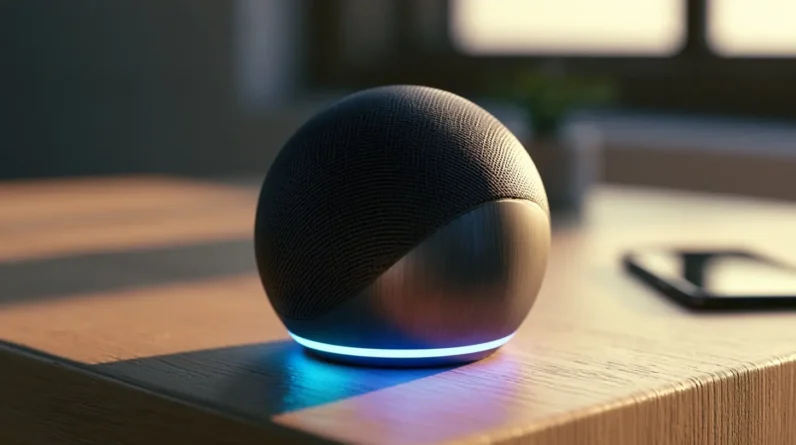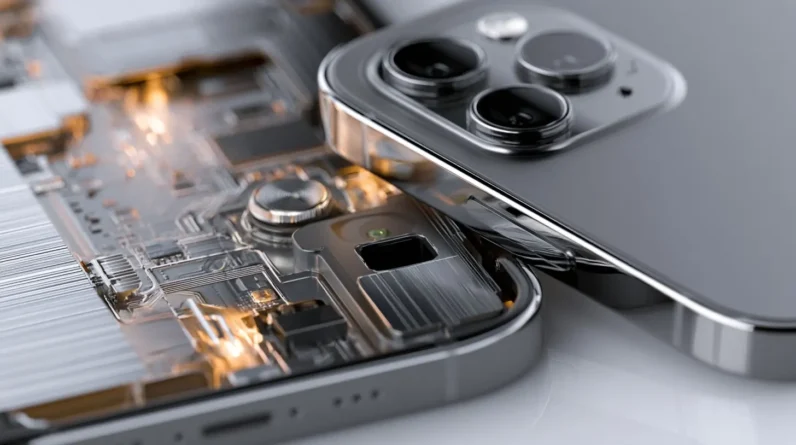



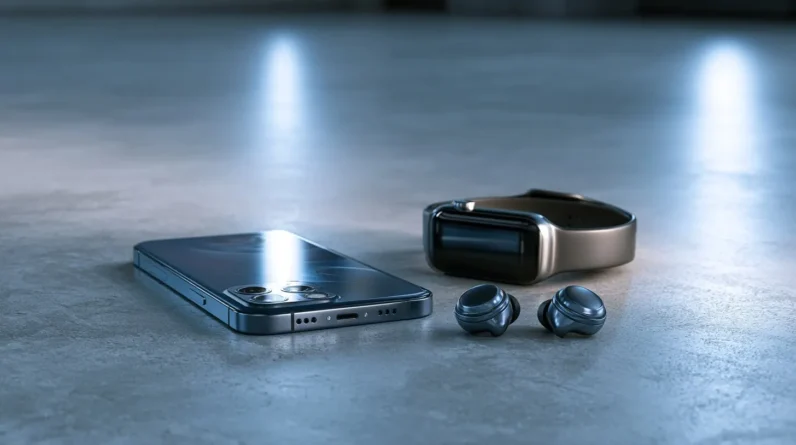
Before we get excited about smart features, we need to check the basics first. We want reliable Wi-Fi that holds up in real rooms, not just near the router. We need real security, not just a default password. We should look for battery life that matches actual use, devices that play nice with what we already own, and updates that keep things running smoothly. Stick around, and we’ll break down each one.
Reliable Connectivity Should Come Before Fancy Features
When a smart speaker can’t hold a Wi-Fi signal, we don’t care how many languages it speaks. We’ve all owned a gadget that dazzles in the store and drops connections at home. That’s a design failure, not bad luck. Before you buy, check which connectivity standards a device actually supports—Wi-Fi 6, Thread, Matter, Bluetooth 5. These aren’t marketing badges; they determine whether your device stays online when your network gets crowded.
We also push you to test signal strength in the rooms you’ll actually use, not just near the router. A camera that lags in your backyard is useless, regardless of its resolution. Reliable connectivity is the foundation everything else builds on. Skip it, and every other feature becomes a gamble.
Why Security Can’t Be an Afterthought in Smart Devices
A stable connection only matters if what’s flowing over it stays private, and that’s where a lot of “smart” devices quietly fail us. We want manufacturers to bake privacy measures into the design, not bolt them on after a breach makes headlines. That means real encryption standards protecting data in transit and at rest, plus user authentication that goes beyond a default password nobody bothers to change. We shouldn’t have to dig through settings menus to find basic protections—they should just be there, working in the background.
Part of this comes down to शिक्षा: we need to understand what we’re buying and how it handles our information. A device that ignores security isn’t smart; it’s a liability wearing a clever interface. We deserve better than that trade-off.
Battery Life That Actually Matches Real-World Use
Manufacturers love to slap an impressive number on the box, but that lab-tested figure rarely survives contact with our actual lives. We’re running background apps, streaming video, and pinging GPS constantly—none of which factor into those pristine test conditions. Real world performance depends on how a device handles our messy, multitasking habits, not how it performs in a sterile lab.
| Usage Pattern | Impact on Battery |
|---|---|
| Heavy notifications | Drains 15-20% faster |
| Location services on | Cuts life by a third |
| Screen brightness high | Biggest single drain |
| Background app refresh | Silent battery killer |
We should demand transparency about real-world drain, not marketing fiction. Genuine user experience matters more than a number that never holds up.
How Well Does It Play With Your Other Smart Devices?
Why does that new smart speaker suddenly refuse to talk to your three-year-old thermostat? Because interoperability standards aren’t universal yet, and manufacturers still play favorites. We won’t buy anything without checking ecosystem compatibility first—it’s the difference between a home that works together and a pile of expensive gadgets that ignore each other.
Look for Matter or Thread support before you swipe your card. These standards let devices from different brands actually communicate, so you’re not locked into one company’s walled garden. We also check whether a product needs its own hub or plays nice with what we already own.
Skip anything vague about “smart home ready.” We want specifics: which protocols, which platforms, which limitations. That clarity saves us from returning devices that never quite connect.
Look for Software Updates That Won’t Leave You Behind
Once a device stops receiving updates, it stops being smart—it’s just an expensive brick waiting to fail. We can’t stress this enough: before buying anything, we check the manufacturer’s update history. A company with a five-year track record of consistent patches tells us more than any marketing claim.
We also pay attention to how updates get delivered. The best manufacturers push changes automatically, without disrupting the user friendly interface we’ve grown accustomed to. If an update breaks functionality or demands we relearn the whole system, that’s a red flag.
Seamless integration matters here too—updates shouldn’t just patch security holes, they should improve how our devices talk to each other. We look for brands committed to long-term support, because today’s cutting-edge gadget becomes tomorrow’s liability without it.
Frequently Asked Questions
How Much Should I Budget for a Quality Smart Device?
We’d budget $100-$250 for a genuinely reliable smart device. We’re weighing affordability factors against essential features—reliable connectivity, solid app support, real security updates. Don’t chase the cheapest option; you’ll pay twice when it fails you.
Are Smart Devices Difficult to Install Without Professional Help?
We don’t think so. Most devices feature user friendly interfaces that guide you through setup step-by-step. You’ll encounter minor installation challenges occasionally, but we’re confident you can handle them yourself—no professional required if you’re detail-oriented.
What Warranty Coverage Should I Expect From Smart Device Manufacturers?
We’d demand at least a one-year warranty length, though we’re wary of coverage limitations on water damage or battery wear. We’ll test customer support responsiveness and confirm repair options exist before trusting any brand fully.
Do Smart Devices Significantly Increase My Home’s Electricity Bill?
Think of smart devices as quiet penny-pinchers, not power-hungry gadgets. We’re seeing minimal energy consumption from standby modes, while smart scheduling and automation deliver real cost savings—often trimming bills instead of padding them.
Can Smart Devices Be Resold or Have Trade-In Value Later?
Yes, we’ve seen decent resale market value for popular smart brands. We recommend checking trade in programs before buying—some manufacturers offer credit toward upgrades, which helps offset costs when you’re ready to switch.
Conclusion
We don’t need a thousand bells and whistles—we need devices that actually work when we need them. Rock-solid connectivity, real security, batteries that outlast our patience, seamless teamwork with our other gadgets, and updates that don’t abandon us in six months: that’s the whole game. Skip any of these, and we’re basically buying an expensive paperweight. Nail them, and our smart home finally feels smart.