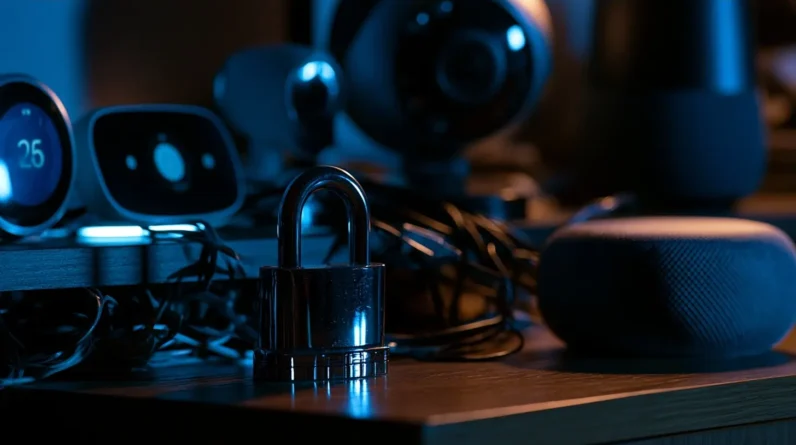




Smart devices ship with weak default passwords, unpatched firmware, and unencrypted data streams that cybercriminals actively exploit. Once a single device is compromised, attackers move laterally across your entire home network, accessing financial data, behavioral patterns, and even physical security systems like locks and cameras. Manufacturers prioritize features over security audits, leaving us exposed. Understanding exactly which devices put us most at risk — and what we can do about it — changes everything.
How Smart Devices Leave Your Front Door Wide Open
Smart devices have fundamentally changed how we interact with our homes, but they’ve also introduced attack surfaces that didn’t exist a decade ago. Every connected thermostat, doorbell, or speaker represents a potential vector for unauthorized access. Manufacturers frequently ship products with weak passwords and unpatched software vulnerabilities, leaving users exposed before they’ve even configured the device. When firmware updates aren’t applied consistently, threat actors exploit known vulnerabilities, triggering data breaches that compromise entire home networks. User negligence compounds the problem—default credentials rarely get changed, and network segmentation gets ignored. The resulting hacking incidents aren’t theoretical; they’re documented and recurring. Privacy concerns escalate when attackers harvest behavioral data, location patterns, and voice recordings. Understanding these vulnerabilities isn’t optional for anyone serious about defending their digital infrastructure.
The Real Risks Hiding Inside Your Connected Home
Knowing that attack surfaces exist is one thing; understanding what’s actually at stake when they’re exploited is another. Without a proper vulnerability assessment, we’re blind to what attackers can actually extract or control. Here’s what’s genuinely at risk:
- Financial data — payment credentials stored or transmitted through smart hubs
- Behavioral patterns — routines, occupancy schedules, and daily habits harvested silently
- Data privacy breaches — personal communications intercepted through compromised voice assistants
- Physical security — door locks, alarms, and cameras manipulated remotely
These aren’t theoretical scenarios — they’re documented attack outcomes. Each compromised device becomes a foothold, enabling lateral movement across our entire network. The stakes aren’t just inconvenient; they’re potentially devastating, professionally and personally.
Why Manufacturers Keep Shipping Insecure Smart Devices
Why do manufacturers keep shipping devices with well-documented, exploitable flaws? The answer converges on economics and accountability gaps. Market competition compresses development timelines, pushing teams to prioritize features over security audits. Cost cutting measures eliminate dedicated security engineering, leaving insecure software baked into firmware from day one. Outdated protocols persist because replacing them demands resources manufacturers won’t allocate voluntarily.
Manufacture negligence isn’t accidental — it’s structural. Without mandatory pre-market security standards, companies face no meaningful penalty for shipping vulnerable hardware. Regulatory frameworks lag years behind threat landscapes, creating exploitable windows that attackers readily occupy.
User awareness closes some gaps but shouldn’t bear the primary burden. We must push for legislative accountability, demand third-party security certifications, and treat security posture as a non-negotiable purchasing criterion.
Which Smart Devices Pose the Biggest Security Threats?
Understanding which devices carry the highest risk sharpens how we allocate defenses. Some smart devices expose broader attack surfaces than others, making prioritization essential.
- Smart cameras — default credentials and unencrypted streams invite remote hijacking.
- Voice assistants — always-on microphones create persistent eavesdropping vulnerabilities.
- Smart routers — compromised firmware undermines every connected device downstream.
- Smart locks — weak Bluetooth or Wi-Fi implementations can surrender physical access entirely.
We shouldn’t treat every device equally. Smart cameras and voice assistants rank especially dangerous because they combine intimate data collection with notoriously poor update cycles. Attackers actively scan for these endpoints. Recognizing the threat hierarchy lets us apply stronger network segmentation, credential hardening, and firmware monitoring precisely where exploitation risk concentrates most.
Simple Steps to Lock Down Your Smart Device Security
Once we’ve mapped the highest-risk devices, hardening them becomes straightforward with a disciplined, repeatable process. Start with password management: replace every default credential immediately, enforce unique, complex passwords per device, and store them in a dedicated password manager. Never reuse credentials across platforms.
Next, prioritize firmware updates. Manufacturers routinely patch exploitable vulnerabilities through firmware releases, yet most users ignore them. Enable automatic updates where available; manually verify update status quarterly for devices that don’t support automation.
Beyond these two pillars, segment smart devices onto a dedicated network VLAN, disable unused ports and services, and audit connected devices regularly. Each step compounds the others—strong credentials mean little if unpatched firmware harbors a known exploit. Discipline and consistency transform these steps from suggestions into genuine defense.
Frequently Asked Questions
Can Smart Device Hacks Affect My Homeowner’s or Renter’s Insurance Policy?
Smart device hacks can complicate your insurance coverage. We recommend reviewing your policy carefully, as many insurers exclude cyber-related losses. The claim process may require proving negligence, potentially affecting your payout or future premiums considerably.
Are Children More Vulnerable to Privacy Risks From Smart Devices?
Yes, children are more vulnerable—their digital naivety makes them prime targets. We must prioritize child online safety through rigorous device monitoring, controlling app permissions, limiting data collection, and restricting unauthorized access to protect their sensitive information.
Do Smart Devices Still Pose Risks When They Are Turned Off?
Yes, even powered-off smart devices harbor offline vulnerabilities. We can’t assume dormant threats disappear when we flip the switch—residual firmware, stored credentials, and hardware-level exploits remain accessible to sophisticated attackers targeting your device’s persistent memory.
Can My Smart Devices Be Hacked Through My Neighbors’ Networks?
Yes, your neighbors’ networks can expose you through Wi-Fi vulnerabilities. We recommend device isolation via network segmentation, enforcing encryption standards, applying firmware updates, and adopting smart security practices for robust hack prevention against neighborly hacking threats.
Are Refurbished Smart Devices More Vulnerable to Security Threats?
Refurbished security risks are real—we recommend you scrutinize every device’s lifespan history. Outdated firmware, unpatched vulnerabilities, and previous ownership data remnants can expose your network to significant, exploitable threats we’ve seen compromise entire systems.
Conclusion
We’ve covered a lot of ground, but here’s the image we want you to carry with you: leaving your smart device unsecured is like installing a bank vault door on a tent. The hardware looks impressive, yet anyone can slip underneath. Symantec reports IoT devices face an average of 5,200 attacks monthly. We’re not saying unplug everything — we’re saying close the gaps before someone else does it for you.