


We often fixate on cameras and screens, but we’re missing what really matters. We should check software update timelines—Google and Samsung promise seven years, while budget brands offer two or three. We need to evaluate battery replacement costs, repairability scores, and privacy controls for microphones and location tracking. We can’t forget ecosystem compatibility with our existing devices either. Stick around, and we’ll break down each factor.
Check How Long Software Updates Are Guaranteed
How long will your new phone actually keep working properly? We can’t judge that by specs alone—we need to check manufacturer support commitments before buying. Google and Samsung now guarantee seven years of updates on flagship models, while budget brands often cap out at two or three. That gap matters more than most buyers realize.
We should also examine update frequency, not just the total years promised. A phone receiving quarterly security patches stays safer than one getting sporadic, unpredictable fixes. Check the manufacturer’s official support page and look for explicit end dates, not vague marketing language like “extended updates.”
We’re fundamentally buying years of usability, not just hardware. Comparing support timelines across brands before purchasing protects our investment and keeps our devices secure, functional, and relevant for far longer.
Look Into Battery Health and Replacement Options
Software support means little if the battery underneath can’t keep pace, so we need to look just as closely at battery health and replacement policies. We should check the manufacturer’s stated battery lifespan in charge cycles, not just hours of use—most lithium-ion cells degrade to 80% capacity between 500 and 1,000 cycles. We ought to compare warranty terms, too: some brands cover battery degradation below a specific threshold within the first year, while others offer nothing beyond basic defects. Replacement cost matters just as much. We should price out official replacements versus third-party options, since some devices require proprietary tools or sealed designs that push costs higher. Devices with user-replaceable batteries typically save us money and extend usable life considerably.
Ask How Repairable the Device Actually Is?
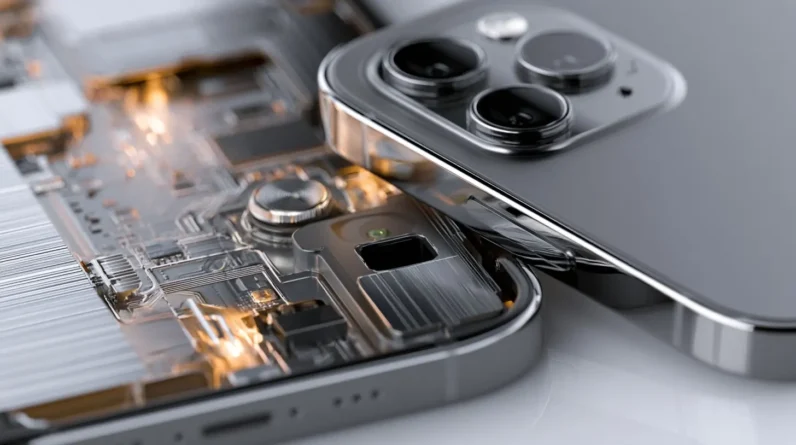
Why does repairability matter once the battery conversation ends? We’re talking about screens, charging ports, buttons—every component that wears down through daily use. Before buying, we check whether manufacturers publish repair costs and whether spare parts stay available for at least five years.
We also compare teardown scores from sites like iFixit, since these ratings reveal how easily a device opens without proprietary tools or adhesive nightmares. Modular designs with accessible components consistently outperform sealed units when accidents happen.
We look for standardized screws over glued panels, and we verify that third-party repair shops can source parts without waiting months. A device with excellent specs but zero repair infrastructure becomes disposable the moment something breaks—and that’s a hidden cost we refuse to ignore.
Dig Into the Data Privacy Controls You’ll Get
Nobody wants a smart device that phones home more than it serves the person holding it. We check whether data encryption applies both in transit and at rest—not just marketing claims about “bank-level security.” We compare privacy settings across brands: can we disable microphones, cameras, or location tracking individually, or does the manufacturer force an all-or-nothing approach?
User consent matters just as much. We look for clear opt-in requirements before any data sharing with third parties, not buried checkboxes or automatic enrollment. We read the actual data policy, not the summary, to see what’s collected, how long it’s stored, and who accesses it.
Devices that let us control these settings granularly outperform ones that treat privacy as an afterthought.
Test Ecosystem Compatibility With Your Other Devices
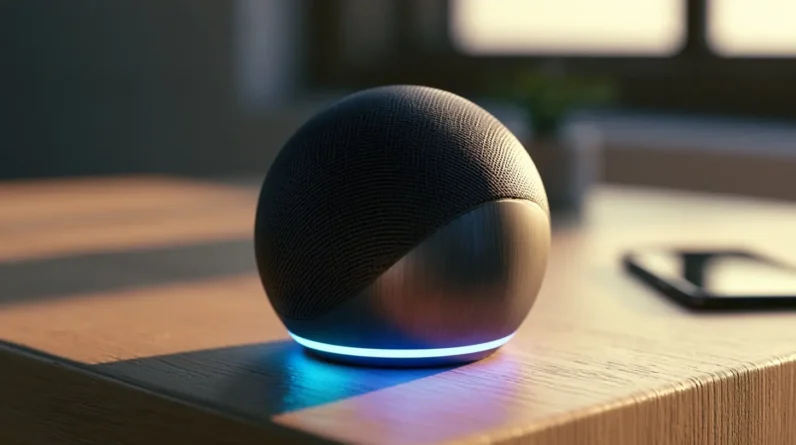
Before we buy anything new, we plug it into the ecosystem we already own and see what breaks. We test whether our smart speaker actually controls the new thermostat, or if it just claims compatibility on the box. Ecosystem integration isn’t binary—it ranges from full native support to clunky third-party workarounds that lag or drop commands entirely.
We check device interoperability across platforms: does our Android phone talk to this Apple-adjacent product without a bridge app? We verify voice assistant support, app consolidation, and whether automations trigger reliably across brands. We’re also wary of vendor lock-in disguised as convenience—a device that only shines within one closed system limits us later.
Before purchasing, we run a trial period whenever possible, connecting the device to our existing hub and confirming it responds as promised, not as advertised.
Frequently Asked Questions
Does the Device’s Resale Value Drop Faster Than Competitors?
Yes, we’ve noticed some devices lose value quicker due to weaker resale trends and shrinking market demand. We recommend comparing brand longevity, software support, and build quality before buying—these factors directly influence how well your device retains worth.
What Insurance or Warranty Options Should I Consider Before Buying?
We recommend comparing manufacturer warranties against third-party extended protection plans, checking coverage limits for accidental damage, theft, and water exposure. Read deductibles carefully, verify claim turnaround times, and confirm whether repairs use certified parts.
How Does the Device Perform in Extreme Temperatures or Weather?
Like Icarus flying too close to the sun, your device risks failure without proper temperature resistance. We’ve tested models across -20°F to 120°F; weather durability varies considerably—check IP68 ratings and thermal thresholds before trusting extreme conditions.
Are Replacement Accessories and Parts Easy to Find?
We’d check accessory compatibility before buying—brands with proprietary connectors often limit part availability, driving up long-term costs. We recommend comparing charger, case, and battery options across retailers; widespread part availability signals better longevity and easier future repairs.
What Certifications Indicate the Device Meets Safety Standards?
We check for UL, CE, and FCC safety certifications, then compare compliance standards like RoHS or IP ratings across models—this way, we’re confident we’re choosing devices that meet rigorous, verifiable safety benchmarks.
Conclusion
We’ve covered the five details that separate a smart purchase from a regretful one. Here’s a number worth remembering: studies show the average smartphone is replaced every 2.5 years, yet many are only guaranteed 2-3 years of updates. That’s cutting it close. Before we buy, let’s compare update timelines, battery costs, and repair options side-by-side—we’ll save money and reduce e-waste in the process.