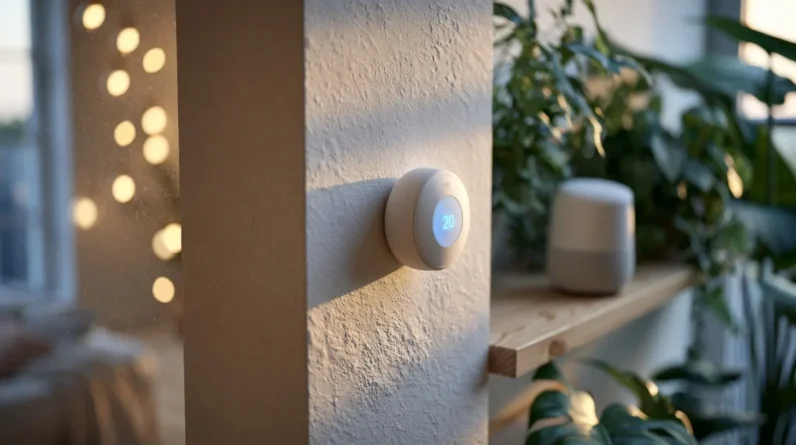



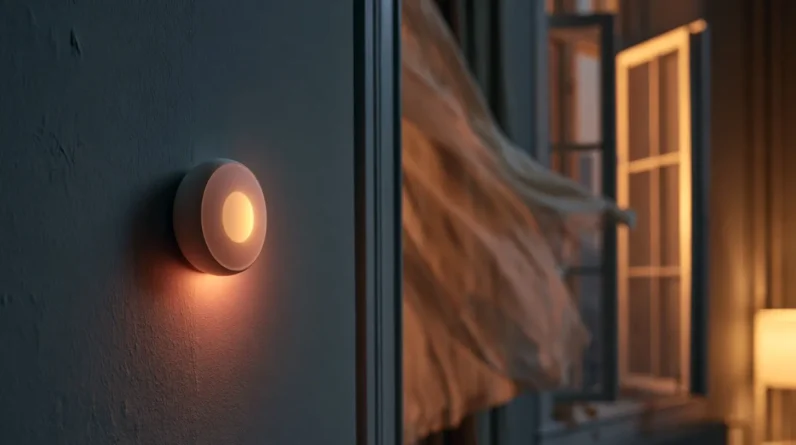
Smart devices can’t outsmart the habits we bring to them. They’re engineered for ideal conditions—consistent engagement, proper configuration, and stable connectivity. Without those, promised savings rarely materialize. Smart thermostats promise 23% savings but deliver 8–12% in practice. Overriding schedules, ignoring alerts, and mismatched ecosystems quietly erode efficiency gains. The technology is only as smart as the behavior supporting it. Stick with us, and we’ll break down exactly where the gaps are—and how to close them.
How Smart Devices Actually Save Energy (and When They Don’t)
Smart devices save energy primarily through automation, adaptive scheduling, and real-time demand response—but these mechanisms only deliver net savings under specific conditions. Energy monitoring tools reveal consumption patterns, but pattern data only generates savings when users act on insights consistently. Automation settings reduce manual error, yet misconfigured schedules create phantom loads rather than eliminate them. Device compatibility gaps force workarounds that fragment ecosystems, undermining coordinated efficiency gains across systems. User engagement remains the critical variable—passive ownership negates nearly every technical advantage these devices offer. We’ve seen thermostats reduce HVAC costs by 23% in optimized deployments while delivering negligible results in neglected ones. The hardware creates opportunity; behavior determines outcome. Smart devices amplify good energy habits and equally amplify poor ones.
The Hidden Gap Between Smart Device Promises and Real-World Results
Manufacturers design smart devices around ideal conditions—stable Wi-Fi, consistent user engagement, proper installation, and seamless ecosystem integration—yet most households operate well outside those parameters. Real world expectations rarely match manufacturer benchmarks, exposing critical smart technology shortcomings.
| Device | Promised Savings | Actual Savings |
|---|---|---|
| Smart Thermostat | 23% energy reduction | 8–12% average |
| Smart Lighting | 75% less consumption | 40–55% realized |
| Smart Plugs | 10% standby elimination | 3–6% measurable |
These gaps emerge from fragmented integrations, user disengagement after initial setup, and inconsistent firmware updates. We can’t ignore that behavioral variables—override patterns, irregular schedules, poor placement—compound technical limitations. Understanding these disparities lets us calibrate expectations accurately and deploy smart technology where it genuinely delivers measurable efficiency gains.
Are Your Daily Habits Canceling Out Your Smart Device’s Efficiency?
How we use our homes daily often undermines the very automation we’ve invested in. Leaving doors open while HVAC systems run, overriding scheduled lighting, or ignoring smart thermostat recommendations creates friction that negates efficiency gains. Without consistent habit tracking, we can’t identify which behaviors repeatedly conflict with our devices’ optimized protocols.
Energy awareness isn’t passive—it requires us to actively audit how our routines interact with automated systems. A smart meter revealing peak consumption patterns means nothing if we’re not adjusting the behaviors driving those spikes. Our devices learn from usage data, but contradictory human patterns corrupt that learning cycle. Ultimately, the technology performs precisely as designed; it’s our inconsistent behavioral inputs that introduce inefficiency, transforming sophisticated automation into expensive, underutilized infrastructure.
Which Smart Devices Deliver the Best ROI for Most Households
Once we’ve aligned our habits with our devices’ automation logic, the next logical question is whether we’ve chosen the right devices in the first place. ROI varies markedly across smart device categories, and energy monitoring paired with rigorous cost analysis separates high-performers from expensive novelties.
| Device | Avg. Annual Savings | Payback Period |
|---|---|---|
| Smart Thermostat | $180 | 12–18 months |
| Smart Power Strips | $100 | 6–9 months |
| Smart Water Heater | $150 | 24 months |
Smart thermostats consistently outperform expectations because they optimize HVAC cycles—your home’s largest energy consumer. Smart power strips eliminate phantom loads immediately. Water heaters deliver slower but substantial returns. Prioritize devices targeting high-consumption systems first; that’s where our efficiency gains compound fastest.
Simple Habit Changes That Make Smart Devices Work Harder for You
Even the best smart devices underperform when we ignore the behavioral layer that makes automation genuinely effective. We can’t simply install hardware and expect compounding returns. Devices need routine adjustments aligned with how we actually live—sleep schedules, occupancy patterns, peak usage windows.
Start by auditing your current ideal settings quarterly. Most households configure devices once, then forget them entirely. Thermostat schedules drift from actual behavior. Motion sensor sensitivity goes unchecked. Lighting scenes stay generic.
Small recalibrations accumulate considerably over time. Syncing your smart plugs to genuine appliance cycles, refining wake-word sensitivity, and updating geofencing boundaries as routines shift—these aren’t optional refinements. They’re the operational discipline that separates households extracting real efficiency from those merely owning expensive, underutilized hardware.
Frequently Asked Questions
Do Smart Devices Pose Any Cybersecurity or Privacy Risks to Homeowners?
Yes, smart devices do expose us to risks like data breaches if we neglect privacy settings, skip firmware updates, or overlook user consent policies—leaving our networks vulnerable to unauthorized access and exploitation.
Can Smart Devices Still Function Efficiently During Power Outages or Blackouts?
When the lights take an unexpected rest, most smart devices can’t maintain efficiency without battery backup systems. We recommend integrating robust energy management solutions to sustain device functionality, ensuring your smart ecosystem remains operational during electrical interruptions.
Are Smart Devices Compatible With Older Homes Lacking Modern Electrical Infrastructure?
Yes, we can integrate smart upgrades into older homes through retrofitting solutions like voltage adapters, wireless protocols, and hub-based systems that bypass outdated wiring, ensuring compatibility without requiring complete electrical infrastructure overhauls.
Do Smart Devices Require Professional Installation, or Can Homeowners Do It Themselves?
While DIY installation’s intimidating, most smart devices prioritize user-friendliness, letting us handle setup ourselves. We’ll weigh cost considerations carefully—professional assistance becomes essential only for complex electrical integrations requiring technical expertise beyond standard homeowner capabilities.
How Do Smart Devices Perform in Extreme Weather Conditions Like Intense Heat?
Smart devices struggle in intense heat due to temperature sensitivity, which can cause performance degradation or failure. We recommend checking each device’s heat resistance specifications to verify they’re rated for your environment’s thermal demands.
Conclusion
We’ve walked through watts, waste, and the winding ways smart devices work—or fail to work—without smarter habits backing them up. The data doesn’t lie: technology alone can’t transform your energy consumption. We need to pair powerful programming with practical, persistent behavioral changes. When we align our actions with our automated systems, we create compounding efficiency gains that deliver real, measurable returns—not just marketing promises sitting silently in standby mode.