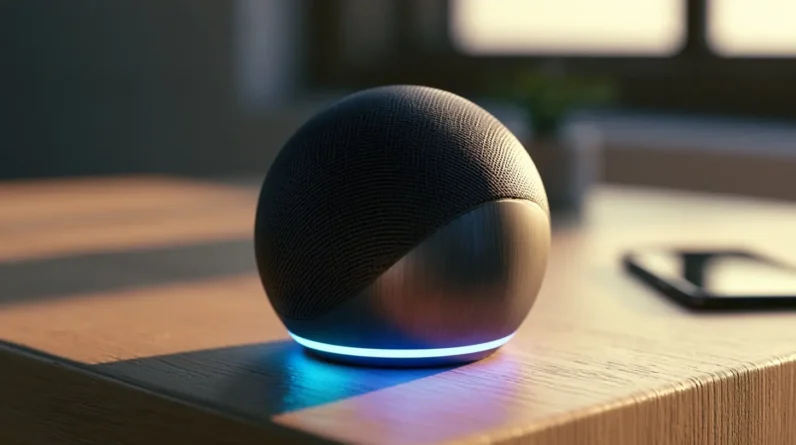



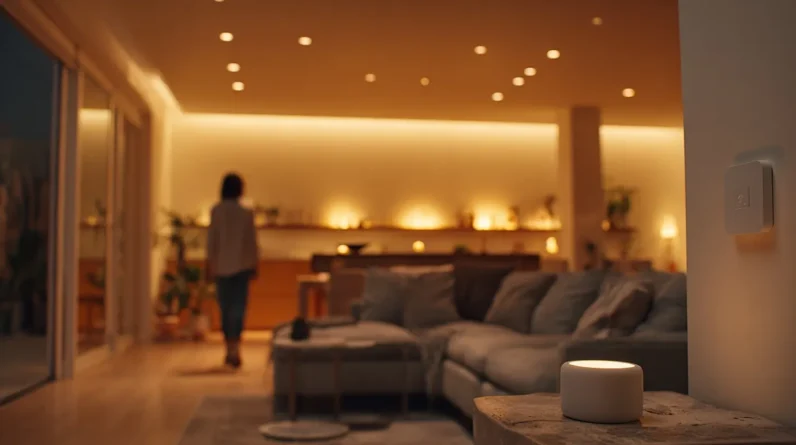
Smart devices are quietly transforming ordinary homes by doing far more than following simple commands. They learn our routines, adapt to real-time conditions, and respond without us lifting a finger. Features like energy monitoring, adaptive lighting, and occupancy detection work together to create homes that anticipate our needs. It’s the difference between automation and true responsiveness — and once you understand how it all connects, everything changes.
The Small Smart Features Most Homeowners Overlook
When outfitting a home with smart technology, most people gravitate toward the obvious upgrades — smart thermostats, video doorbells, and voice assistants. But we’re missing real gains by overlooking subtler features baked into devices we already own.
Take energy monitoring — many smart plugs track wattage consumption in real time, revealing which appliances quietly drain power. That’s actionable data most homeowners never tap. Similarly, voice activation isn’t limited to speakers and lights. Newer microwaves, ovens, and even ceiling fans support it, eliminating unnecessary manual interaction.
Smart leak detectors, motion-triggered outlet scheduling, and auto-dimming displays round out the overlooked tier. These aren’t flashy features, but they compound into a home that’s genuinely more efficient, responsive, and intelligent — without requiring a full system overhaul.
How Smart Devices Learn Your Daily Routines
Most smart devices don’t just respond to commands — they observe, record, and adapt. Through adaptive learning, they build accurate models of your routine patterns within days.
| Device | What It Tracks | How It Adapts |
|---|---|---|
| Smart Thermostat | Wake/sleep times | Auto-adjusts temperature |
| Smart Lighting | Room activity hours | Dims or brightens automatically |
| Smart Speaker | Request frequency | Prioritizes common commands |
| Smart Lock | Entry/exit patterns | Suggests automation schedules |
| Smart Appliances | Usage windows | Shifts energy consumption |
Once these patterns solidify, your home stops waiting for instructions. It anticipates them. We’re talking about a shift from reactive technology to genuinely predictive environments — ones that work for you, not just with you.
Which Rooms Benefit Most From Smart Device Upgrades
Not every room transforms equally when you add smart technology — some spaces deliver a dramatically higher return on investment than others. Kitchen upgrades yield immediate efficiency gains through smart appliances, automated grocery tracking, and voice-controlled cooking timers. Living room enhancements create immersive, adaptive environments where lighting, entertainment, and climate respond to your presence and preferences simultaneously. Bedroom comfort reaches new levels when smart thermostats, sleep-tracking devices, and automated blinds sync to your natural rhythms. Bathroom automation, often underestimated, delivers genuine daily value through smart mirrors, programmable showers, and humidity-sensing ventilation. We’ve found that prioritizing these four rooms creates a compounding effect — each upgraded space reinforces the others, building a genuinely responsive home ecosystem rather than a collection of disconnected gadgets.
What Makes a Home Truly Responsive (Not Just Automated)?
There’s a meaningful difference between a home that follows a schedule and one that genuinely responds to you. Automation executes commands. Responsiveness learns context. Truly adaptive environments detect who’s home, what they’re doing, and what conditions currently exist—then adjust without being asked. That’s intuitive interactions at work: your lighting dims when you start a movie without a single tap, your thermostat shifts before you feel uncomfortable, your security system recognizes familiar patterns and acts accordingly. The distinction matters because automation can frustrate us when life deviates from the plan. Responsive homes, by contrast, handle exceptions gracefully. They’re built on layered data—sensors, usage history, preferences—processed intelligently. We’re not just programming routines anymore. We’re creating homes that understand us.
How to Know If Your Smart Devices Are Actually Working Together?
Building a responsive home sounds compelling on paper, but it only holds up if your devices are actually communicating with each other. Regular integration checks reveal whether your ecosystem is functioning as a unified system or just a collection of isolated gadgets. Watch for these clear indicators:
- Automations trigger consistently without manual intervention
- Device compatibility between platforms shows no conflict errors
- Routines execute in correct sequence and timing
- New devices join existing workflows without breaking current ones
If any of these fail, we’re dealing with fragmentation, not integration. Most smart home apps provide diagnostic dashboards where we can audit connection health directly. Don’t assume everything’s working because it worked yesterday. Responsive homes require ongoing verification, not one-time setup.
Frequently Asked Questions
Are Smart Home Devices Safe From Hackers and Data Breaches?
Smart home devices aren’t fully safe—smart device vulnerabilities remain a real threat. We must stay proactive by using strong passwords, enabling updates, and understanding data privacy concerns to protect our connected homes effectively.
How Much Does Building a Fully Responsive Smart Home Typically Cost?
Smartly sizing up your setup starts with budget planning—we’re looking at $2,000–$15,000+ depending on complexity. Installation expenses climb with automation layers, so we’ll want to strategically scale our systems for seamless, satisfying, and sustainable smart home success.
Do Smart Devices Significantly Increase Monthly Electricity and Utility Bills?
Smart devices don’t considerably increase energy consumption—they actually drive cost savings. We’re talking optimized usage through automation and scheduling, so our utility bills typically drop rather than spike with these intelligent, self-regulating systems.
Which Smart Home Platforms Are Easiest for Elderly Users to Adopt?
We recommend Amazon Alexa and Google Home for elderly users—they’ve mastered user-friendly interfaces and intuitive voice control, letting seniors manage their homes effortlessly without traversing complex menus or remembering technical steps.
Can Smart Devices Still Function Properly During Internet or Power Outages?
Like a lighthouse standing firm against storms, our smart devices don’t have to go dark. Through local control and offline functionality, we’ve guaranteed many devices still respond, operate, and protect us independently.
Conclusion
We’ve only scratched the surface of what’s possible. Right now, somewhere in your home, a device is quietly waiting — learning, listening, adapting. The question isn’t whether your home can become responsive. It’s whether you’ll notice the transformation before it’s already happened. Every small upgrade builds toward something bigger. Don’t blink. The home you’ve always imagined is already assembling itself around you, one smart feature at a time.