


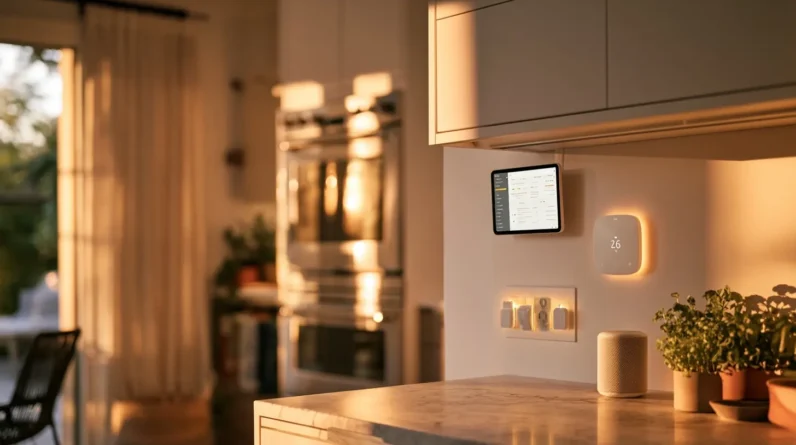
Smart home devices are transforming how we manage energy at home. They monitor consumption in real time, automatically adjust thermostats, dim lights, and eliminate phantom loads that quietly inflate our bills. With the right connected devices, homeowners are seeing annual energy savings of 15–30%, often recovering their initial investment within 18 months. We’ll break down exactly which devices deliver the biggest impact, what they cost, and how to build a system that works for you.
How Smart Home Devices Actually Reduce Energy Use
Smart home devices cut energy waste by making real-time adjustments that we’d otherwise overlook or forget. Through continuous energy monitoring, these systems track consumption patterns and respond instantly — dimming lights, adjusting thermostats, and cycling appliances during off-peak hours.
We’re seeing efficiency trends shift toward full device integration, where platforms like Matter and Zigbee allow disparate devices to communicate seamlessly. That coordination eliminates redundant energy draws that silently inflate our bills.
The cost saving methods embedded in these ecosystems aren’t passive — they’re algorithmic. Smart plugs detect standby loads, HVAC systems learn our schedules, and energy dashboards surface actionable data we can actually use. We’re no longer guessing where waste hides; we’re eliminating it with precision.
The Connected Devices Worth Installing First
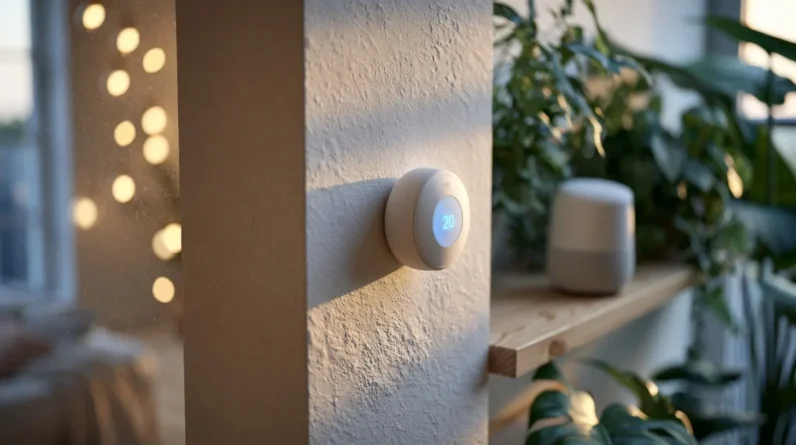
A thermostat is the highest-impact starting point when we’re building out a connected home. Smart thermostats learn our schedules and cut heating and cooling waste automatically — often the largest portion of our energy bill. From there, we prioritize devices that deliver measurable returns:
- Smart thermostats — schedule-based and AI-driven temperature control with remote access
- Energy monitors — whole-home circuit tracking that exposes hidden consumption patterns
- Smart plugs — granular control over standby loads on high-draw appliances
Energy monitors deserve early installation because they reveal exactly where power is leaking before we invest further. That data shapes every subsequent purchasing decision. We’re not guessing — we’re optimizing based on real usage. Starting with these three devices builds the foundation every efficient smart home needs.
What Smart Home Automation Really Costs
Before committing to any additional devices, we need an honest accounting of what smart home automation actually costs — upfront hardware, ongoing subscriptions, and the hidden expenses most buyers overlook.
The initial investment varies widely. A basic smart thermostat runs $130–$250, while a full ecosystem covering lighting, security, and climate control can exceed $2,000. That’s before installation fees, which can add another 20–30% depending on complexity.
Ongoing expenses cut deeper than most anticipate. Monthly subscription tiers for cloud storage, remote access, or AI-driven automation range from $5 to $60 per platform — and most households run multiple platforms simultaneously.
Don’t ignore compatibility upgrades either. Older wiring, routers, and hubs often require replacement before newer devices function correctly. Budget accordingly, or the savings smart technology promises will evaporate fast.
How to Build a Whole-Home Energy Management System
Once we’ve tallied the real costs, building a whole-home energy management system becomes less about spending and more about strategic layering — starting with a central hub that connects your thermostat, lighting, appliances, and solar or battery storage into one unified network.
Prioritize these three pillars for successful system integration:
- Energy monitoring with real-time feedback that surfaces consumption patterns through a clean, intuitive user interface
- Device compatibility across Z-Wave, Zigbee, or Matter protocols to guarantee seamless cross-brand communication
- Data analytics that transform raw usage stats into actionable efficiency recommendations
We’re no longer guessing where energy goes — we’re engineering smarter homes. The right platform doesn’t just connect devices; it creates an intelligent ecosystem that continuously optimizes itself around your lifestyle.
Real Savings Homeowners Are Seeing With Smart Tech
Building that intelligent ecosystem pays off — and the numbers back it up. Homeowners using smart thermostats, automated lighting, and connected appliances report energy savings of 15–30% annually. Granular energy tracking reveals exactly where waste hides — phantom loads, peak-hour consumption, inefficient HVAC cycles — so we can eliminate it strategically rather than guessing.
We’re also seeing utility incentives accelerate ROI markedly. Many providers now offer rebates for smart device adoption, demand-response credits, and time-of-use rate optimization — all accessible through integrated dashboards. Some homeowners recover their initial investment within 18 months.
The deeper win isn’t just the monthly bill reduction. It’s the compound effect: smarter data leads to smarter decisions, which continuously tightens efficiency over time. That’s a system that pays dividends indefinitely.
Frequently Asked Questions
Are Smart Home Devices Compatible With Older Homes and Outdated Wiring?
Many smart technology adaptation solutions work with older homes, but electrical system limitations can pose challenges. We recommend evaluating your wiring first, as some devices need updated circuits to function safely and efficiently.
Can Renters Install Smart Home Efficiency Devices Without Landlord Permission?
Walking a tightrope, we’d advise checking tenant rights first—most leases require landlord permission. We’ll find installation options like plug-in devices bypass that process, though device limitations mean permanent smart upgrades typically need explicit approval.
Do Smart Devices Still Function Properly During Internet or Power Outages?
Many smart devices offer offline functionality, keeping core features running during outages. We’d recommend prioritizing devices with backup power capabilities, as they’ll maintain essential operations even when your internet or electricity goes down temporarily.
What Happens to Smart Home Data if a Company Goes Bankrupt?
Think it won’t affect you? Bankruptcy implications can leave your data ownership in limbo—we’re vulnerable when companies dissolve, potentially selling our smart home data to third parties without our consent.
Are There Health or Safety Risks Associated With Smart Home Devices?
Yes, we face real risks: cybersecurity threats exploit device vulnerability, while privacy concerns emerge from inadequate data encryption. We must stay vigilant, regularly updating firmware and securing networks to protect our connected homes from potential breaches.
Conclusion
We’ve covered everything from smart thermostats to whole-home energy management systems, and the picture is clear—these connected devices aren’t just gadgets, they’re game-changers. We’re talking about technology that can slash your energy bills into oblivion while practically running your home on autopilot. The smartest move you can make right now is starting with one device and building from there. Your energy-efficient future is already here—it’s just waiting to be connected.