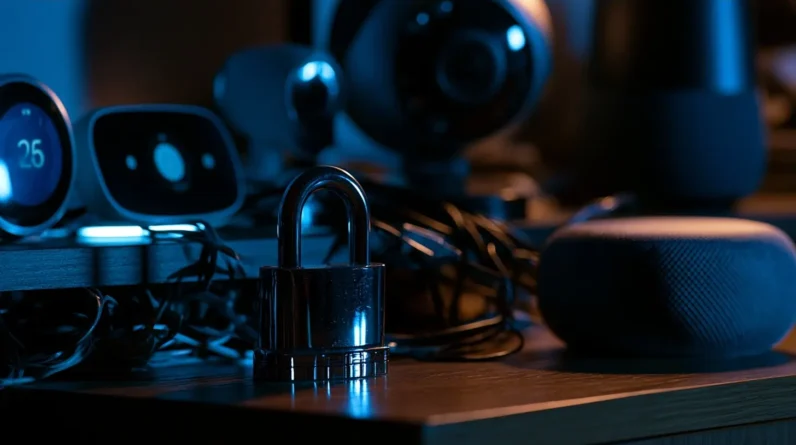




Smart devices are making our homes more vulnerable than most families realize. Weak passwords, unpatched software, and underused parental controls give attackers easy access to our kids’ voices, locations, and daily routines. Even trusted products like baby monitors and smart speakers carry hidden risks. One compromised device can expose your entire network. Understanding these threats, knowing which devices are most dangerous, and having the right conversations at home can make all the difference.
How Smart Devices Are Already Exposing Your Family
Smart devices have quietly become one of the most significant security vulnerabilities in the modern home. We’re connecting thermostats, cameras, toys, and speakers to our networks without questioning what’s being collected or who’s accessing it. Weak user permissions, unpatched software flaws, and neglected firmware updates create entry points that cybercriminals actively exploit. Our children’s voices, locations, and daily routines become exposed data — harvested through device vulnerabilities we never knew existed. Network security suffers when one compromised device grants access to everything connected. We’re also underutilizing parental controls, leaving children interacting with systems that have no safeguards. Cyber threats aren’t hypothetical — they’re targeting families right now. Data privacy isn’t automatic. It requires deliberate action, and that action starts with understanding exactly where we’re already exposed.
The Risks Most Parents Don’t Know to Look For
Most of us recognize obvious threats like hackers and data breaches, but the dangers lurking inside our own homes are far subtler and far more damaging. Device vulnerabilities exist in products we trust daily — smart speakers, connected toys, baby monitors, and home security cameras. Manufacturers prioritize convenience over protection, leaving backdoors that enable unauthorized access without triggering a single alert. Privacy risks compound quietly: microphones activate unexpectedly, cameras stream beyond their intended range, and location data gets harvested without consent. We don’t see these exposures happening, which makes them exponentially more dangerous. Children are especially vulnerable because they interact with these devices instinctively, never questioning what’s listening. Recognizing these hidden threats isn’t paranoia — it’s the foundational awareness every family must develop right now.
Which Devices in Your Home Are the Biggest Threats
Every connected device in your home carries risk, but some pose far greater threats than others. Smart cameras, voice assistants, and connected appliances are your highest-exposure points. Attackers exploit network vulnerabilities to gain unauthorized access, turning your security devices against you. We’ve seen smart cameras stream footage to strangers, voice assistants record private conversations, and connected appliances serve as entry points into your entire network.
Don’t overlook privacy settings — they’re your first line of defense. Enable data encryption wherever available, and never skip firmware updates. Manufacturers patch critical security gaps through those updates. Treat every unpatched device as an open door. Map every connected device in your home, prioritize the highest-risk ones, and lock them down systematically. Your vigilance determines your family’s exposure.
How to Lock Down Your Smart Home Without the Tech Headache
Locking down your smart home doesn’t require an IT degree or hours of frustration. We’ve identified the highest-impact actions families can take immediately through disciplined device management and consistent firmware updates.
| Action | Protection Gained |
|---|---|
| Enable password protection | Blocks unauthorized access |
| Activate parental controls | Shields children from threats |
| Apply network segmentation | Isolates compromised devices |
Prioritize your router’s security settings first—it’s the gateway everything flows through. Privacy awareness means regularly auditing which apps access your microphone, camera, and location data. Don’t overlook threat detection tools built into many modern routers; they monitor suspicious traffic automatically. Together, these layered defenses transform a vulnerable household network into a fortress your family can trust without becoming a full-time cybersecurity job.
The Family Conversation That Could Prevent a Real Crisis
Technology only gets us so far—the real line of defense in any home is the people living in it. We need to sit down together and talk openly about digital threats before they become real crises.
Cover these critical points as a family:
- Establish clear screen time boundaries that reduce exposure to risky platforms and unknown contacts
- Teach every household member the basics of password management, including never reusing credentials
- Identify what devices connect to your network and who has access to them
- Create a response plan for when something suspicious happens—don’t wait until it does
These conversations aren’t optional. They’re the difference between a household that reacts to threats and one that’s already prepared for them.
Frequently Asked Questions
What Laws Protect Families From Smart Device Data Breaches?
We’re protected by several privacy regulations, including COPPA, GDPR, and CCPA, which enforce strict data protection standards. These laws require companies to safeguard our families’ personal information and limit unauthorized smart device data collection.
How Do Manufacturers Profit From Selling Your Family’s Personal Data?
Manufacturers profit through data monetization strategies—selling our behavioral patterns, location history, and purchasing habits to advertisers. Their privacy policy transparency often obscures this reality, so we must scrutinize every agreement before connecting devices to our family’s network.
Are Smart Devices in Schools Also Spying on Your Children?
Yes, they are. Consider a school issuing Chromebooks that track students’ browsing habits. Classroom technology’s data collection raises serious spying implications, demanding parental oversight, device transparency, and ethical tech practices to truly protect student privacy.
What Should Families Do After Discovering Their Device Was Hacked?
After discovering a hack, we must act fast. Disconnect the device immediately, change all secure passwords, and report the breach. Our post hack recovery plan should include updating firmware and monitoring accounts for suspicious activity.
Can Deleting Smart Device Apps Fully Remove Stored Personal Information?
Deleting apps doesn’t fully erase our data. Despite removal, companies retain information through data retention policies, fueling ongoing privacy concerns. We must demand account deletion and contact support to truly reclaim what’s ours.
Conclusion
We’ve handed our families the keys to a connected world, but keys can open doors we never intended. Every conversation we have today about smart device security is a lock we install on tomorrow’s vulnerabilities. We don’t have to choose between technology and safety—we have to choose to protect both deliberately. Start talking now, because the families who prepare together are the ones who stay safe together.