


Building a smart home starts with choosing the right platform — whether that’s Amazon Alexa, Google Home, or Apple HomeKit. From there, you’ll want a smart speaker, thermostat, and security camera as your foundation. Connect devices one at a time, name them clearly, and group them by room. When things don’t work, check your communication protocols and firmware. We’ve broken down every step so you can set up smarter, not harder.
Start With the Right Smart Home Platform
Before adding a single smart bulb or thermostat, we need to choose a platform that ties everything together. Amazon Alexa, Google Home, and Apple HomeKit each offer distinct ecosystems with different strengths. Platform compatibility determines which devices we can connect and automate, so this decision shapes every purchase we’ll make afterward.
We should evaluate three things upfront: which devices we already own, which voice assistant we prefer, and how intuitive each platform’s user interface feels during daily use. A clean, logical user interface reduces friction and keeps automation manageable as our system grows.
Don’t lock yourself into a platform blindly. Test each app, read compatibility specs carefully, and confirm that your priority devices are supported before committing. The right foundation prevents expensive mistakes down the road.
The Essential Devices Every Smart Home Needs First
Three devices form the backbone of any functional smart home: a smart speaker or display, a smart thermostat, and a smart security camera. Each one earns its place by delivering immediate, measurable value.
Smart thermostat benefits include:
- Automated scheduling that learns your habits
- Remote temperature control via smartphone
- Energy usage reports that reduce monthly bills
- Seamless integration with most major platforms
Security camera essentials follow a similar logic — you want motion detection, night vision, cloud or local storage, and two-way audio at minimum.
Start with your smart speaker as the command hub, layer in the thermostat for efficiency, and position cameras at entry points for coverage. These three devices give you control, comfort, and peace of mind from day one.
How to Connect and Configure Each Device
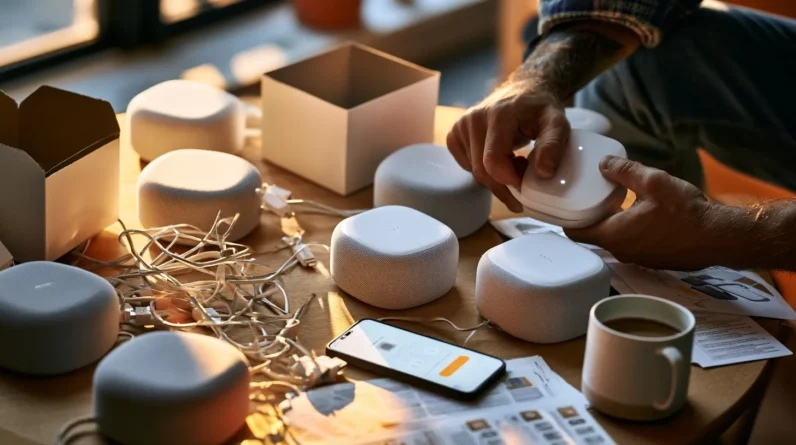
For configuration tips, connect devices one at a time, name them clearly (“Front Door Lock,” not “Device 1”), and group them logically by room. This keeps automations clean and manageable.
Hit a wall? Follow these troubleshooting steps: restart the device, re-enter Wi-Fi credentials, and check for firmware updates. Most issues live here.
Finally, don’t overlook network security. Create a separate guest network for smart devices, use strong passwords, and enable two-factor authentication wherever possible. A smart home should be convenient and protected.
When Your Smart Home Devices Won’t Work Together
Even with everything configured correctly, some devices simply won’t play nice together—and it’s usually a compatibility issue at the root. Before assuming something’s broken, work through these troubleshooting tips:
- Check protocol alignment — Zigbee, Z-Wave, and Wi-Fi devices don’t naturally communicate without a compatible hub
- Verify platform support — confirm both devices appear on the same ecosystem’s official compatibility list
- Update firmware — outdated software causes most device compatibility issues that feel like hardware failures
- Review hub capacity — overloaded hubs drop connections, making devices appear incompatible when they’re not
Most conflicts resolve once you identify the actual layer causing friction—whether that’s the network, the platform, or the device itself. Systematic troubleshooting beats random rebooting every time.
Expand Your Setup Without Breaking What Works
Once we’ve got our devices working together reliably, it’s tempting to start adding more—and we should, but carefully. Every new addition affects device compatibility across your entire setup. Before purchasing, verify that any new device supports your existing ecosystem choice—whether that’s Matter, HomeKit, Google Home, or another platform. Adding mismatched devices can fragment automations and create troubleshooting headaches we don’t need.
When we expand functionality, we should do it incrementally—add one device, test it thoroughly, then move forward. Also consider user privacy implications with each addition; more connected devices mean more data collection points. Read privacy policies and disable unnecessary data sharing where possible. Strategic expansion strengthens our smart home; careless expansion quietly breaks what’s already working well.
Frequently Asked Questions
How Much Does Building a Complete Smart Home Typically Cost?
We’ll typically spend $2,000–$15,000 on a complete smart home, depending on size and complexity. While the initial investment feels steep, we’re revealing long-term savings on energy bills that make it worthwhile.
Are Smart Home Devices Safe From Hackers and Privacy Breaches?
Smart home devices aren’t completely safe — hacker threats and privacy implications are real. We recommend prioritizing data encryption and secure connections when setting up devices to greatly reduce your vulnerability to breaches.
Can Renters Legally Install Smart Home Devices Without Landlord Permission?
Over 60% of renters don’t know their tenant rights around smart devices. We’ll tell you: you can’t legally install permanent devices without permission, but portable, non-invasive gadgets fall under device ownership — yours to use freely.
Do Smart Home Devices Significantly Increase Monthly Electricity Bills?
Smart home devices don’t greatly increase your electricity bill. Most have minimal energy consumption, and many actually drive cost savings by optimizing usage. We’re talking smarter energy habits that often reduce what you’re already spending.
What Happens to My Smart Home if the Internet Goes Down?
Like a ship steering without stars, your smart home loses some control when internet reliability falters. But don’t panic — most devices retain offline functionality, letting us still operate lights, locks, and thermostats locally.
Conclusion
Building a smart home is a lot like assembling furniture — you don’t need every piece on day one, you just need the right pieces in the right order. We’ve walked you through platforms, essential devices, configuration, troubleshooting, and smart expansion. Studies show the average smart home grows by three devices annually, so start small, stay patient, and let your setup evolve naturally. Your home will get smarter as you do.