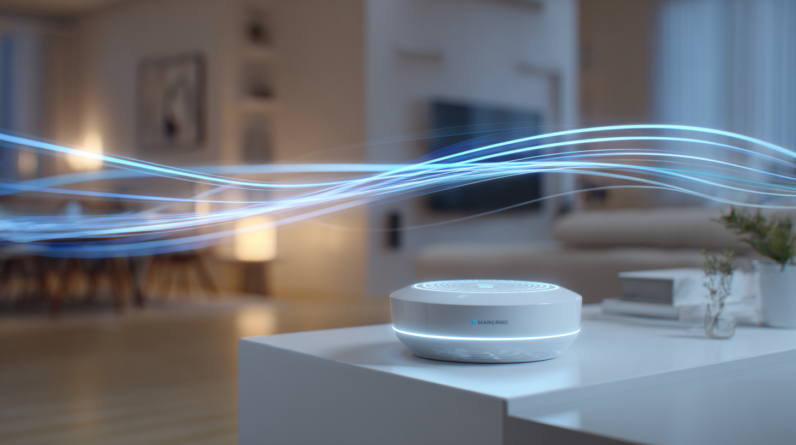




We’re witnessing three converging forces accelerating the smart device timeline dramatically. AI’s exponential growth enables real-time learning and predictive capabilities. 5G networks provide the seamless connectivity backbone for device coordination at scale. Meanwhile, sensor costs have plummeted below $1, making smart devices accessible across income brackets. We’re no longer asking if this future arrives—we’re already living it. The real transformation happens when these devices integrate into true ecosystems, creating contextual automation that anticipates our needs. Discover how these interconnected systems reshape everyday life.
The Exponential Growth of AI and Machine Learning
As we’ve witnessed over the past decade, artificial intelligence and machine learning aren’t just evolving—they’re accelerating at a pace that’s fundamentally reshaping how smart devices function. We’re observing unprecedented AI advancements that enable devices to learn from minimal data and adapt in real-time. Machine learning algorithms now power everything from predictive analytics to autonomous decision-making, creating systems that anticipate user needs before we articulate them.
This exponential growth stems from three converging factors: increased computational power, vast datasets, and refined neural architectures. We’re moving beyond reactive systems toward genuinely intelligent devices that understand context, intention, and nuance. For those seeking mastery in this space, understanding these underlying mechanisms isn’t optional—it’s essential. The trajectory we’re on suggests smart devices will soon operate with remarkable autonomy and sophistication.
5G Connectivity: The Backbone of Seamless Integration
While AI and machine learning equip our devices with intelligence, they’re only as powerful as the networks that connect them. 5G connectivity—and the emerging 6G infrastructure on the horizon—provide the high-speed, low-latency backbone that transforms isolated smart devices into a coordinated ecosystem. We’re witnessing a fundamental shift in network infrastructure capabilities that enables real-time data processing across distributed environments. This connectivity layer doesn’t merely transmit information; it orchestrates seamless device collaboration at scale. However, this interconnected future demands robust data security protocols. As we expand our network infrastructure, we’re simultaneously developing sophisticated encryption and authentication mechanisms to protect sensitive information flowing between devices. The convergence of advanced connectivity and security frameworks will ultimately determine how quickly we realize the smart device revolution’s full potential.
Affordable Sensors Making Smart Devices Accessible
The proliferation of low-cost sensors represents the democratization layer that’ll transform smart devices from luxury goods into everyday necessities. As sensor costs continue declining—driven by manufacturing scale and competition—device affordability becomes genuinely achievable across income brackets.
We’re witnessing accelerated adoption cycles where previously premium features now appear in budget-tier products. Temperature, humidity, motion, and environmental sensors that once commanded premium prices now cost mere cents per unit. This cost compression directly enables manufacturers to embed intelligence into everyday objects without inflating consumer prices substantially.
The result? We’re approaching an inflection point where smart device penetration reaches critical mass. When device affordability aligns with genuine utility, market barriers dissolve. We’re not simply adding connectivity; we’re embedding intelligence into the fabric of ordinary life.
Real-World Smart Device Adoption Today
Smart devices aren’t hypothetical anymore—they’re already woven into how we live. We’re witnessing genuine adoption across demographics and geographies. Smart homes have shifted from luxury curiosities to mainstream installations, with thermostats, security systems, and lighting controls becoming standard upgrades. Consumer demand reflects real benefits: energy savings, convenience, and enhanced control.
However, we’re simultaneously traversing device security challenges. As adoption accelerates, so does vulnerability exposure. We’re learning that robust authentication, regular updates, and manufacturer accountability aren’t optional—they’re foundational. The market’s maturation hinges on our collective commitment to security standards.
What’s remarkable is the trajectory. We’ve moved past early adopter phases into normalization. Smart device integration isn’t aspirational anymore; it’s becoming expected infrastructure in contemporary living spaces.
The Ecosystem Effect: How Devices Work Together
As individual devices proliferate throughout our homes, we’re discovering that their true power emerges not in isolation, but through integration. We’re witnessing the rise of meaningful device interoperability—where smart speakers, thermostats, lighting systems, and security cameras communicate seamlessly across platforms.
| Ecosystem Layer | Integration Benefit |
|---|---|
| Voice Control | Unified command interface |
| Data Sharing | Contextual automation |
| Device Coordination | Synchronized responses |
| User Interface | Simplified management |
We’re moving beyond siloed applications toward cohesive systems where your thermostat adjusts based on occupancy sensors, and your lighting responds to time-of-day patterns. This orchestration demands robust device interoperability standards and intuitive user interface design. We’re building infrastructure that anticipates our needs, creating environments that adapt intelligently. The ecosystem effect transforms individual gadgets into interconnected intelligence—precisely what’ll accelerate smart device adoption exponentially.
Preparing for the Connected World Ahead
Building integrated ecosystems is just the beginning—we’re now facing questions about how we’ll actually live within them. We’re preparing for a world where seamless connectivity demands we address critical challenges:
- Device Security must evolve beyond current standards to protect our interconnected networks from sophisticated threats
- Human Interface design will determine whether we control our devices or become overwhelmed by them
- Standardization across manufacturers will enable true interoperability rather than fragmented ecosystems
- Privacy frameworks need proactive development before widespread adoption locks us into inadequate protections
We’re not waiting passively for this future. We’re actively shaping how devices’ll integrate into our daily lives, ensuring our technological evolution serves human needs rather than complicates them. The connected world ahead demands our deliberate preparation now.
Conclusion
We’re standing at the threshold of a connected revolution that’s quietly reshaping our world. Like dominoes arranged in perfect formation, AI, 5G, and affordable sensors are toppling into place simultaneously. We’re not waiting for some distant tomorrow—we’re building it today. The smart device future isn’t barreling toward us; it’s already woven into our present, waiting for us to fully awaken to its possibilities.