


We’re unknowingly sabotaging our sleep with devices engineered to keep us engaged. Blue light from screens suppresses melatonin production, while notifications fragment sleep architecture and trigger dopamine-driven checking behaviors. Smart bedroom gadgets—speakers, thermostats, tracking devices—compound the problem through constant connectivity and electromagnetic activity. The cumulative effect overwhelms our nervous system’s capacity for deep sleep. Establishing a 60-90 minute device cutoff before bed and physically separating technology from your bedroom can help restore your circadian rhythm. Understanding how to reclaim this space reveals surprisingly effective solutions.
How Blue Light Disrupts Your Circadian Rhythm
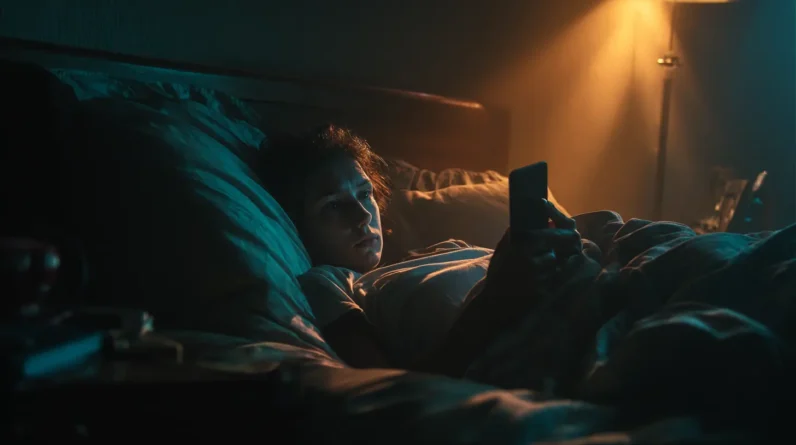
The blue light emitted from smartphones, tablets, and computer screens can suppress melatonin production by stimulating photoreceptors in our eyes that’re sensitive to shorter wavelengths. We must consider both light exposure duration and ambient light intensity when evaluating sleep disruption risk. Evening screen use extending beyond two hours drastically delays circadian phase shifts, particularly when ambient light intensity exceeds 50 lux. Research indicates that blue light wavelengths between 460-480 nanometers prove most disruptive to our natural sleep-wake cycle. We’re observing dose-dependent effects: longer exposure periods and higher intensities correlate with greater melatonin suppression. The suppression’s magnitude depends substantially on individual sensitivity variations and timing relative to sleep onset. Understanding these mechanisms enables us to make informed decisions about device usage patterns.
The Sleep-Stealing Cost of Constant Notifications
How often do we actually silence our devices before bed? Research indicates that notifications—even silenced ones—trigger arousal responses that fragment sleep architecture. Each ping activates tech addiction triggers by releasing anticipatory dopamine, creating delayed dopamine hits that condition us toward compulsive checking behaviors. Studies show that smartphone notifications increase sleep latency by an average of 23 minutes and reduce REM sleep duration by approximately 12%.
The neurological mechanism operates independently of conscious awareness. Notifications activate the brain’s salience network, prioritizing threat detection over sleep maintenance. We’re fundamentally training our nervous systems to remain hypervigilant throughout the night. Sleep specialists recommend implementing device-free zones extending 60-90 minutes before sleep, physically removing phones from bedrooms, and disabling non-essential notifications entirely.
Why Your Smart Bedroom Is Working Against You
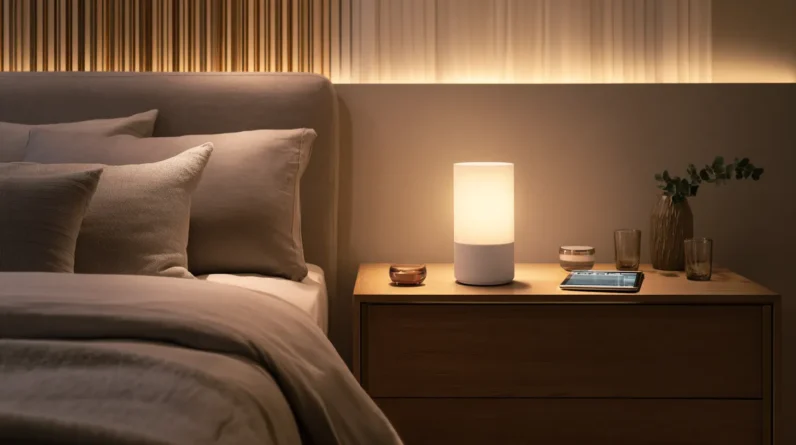
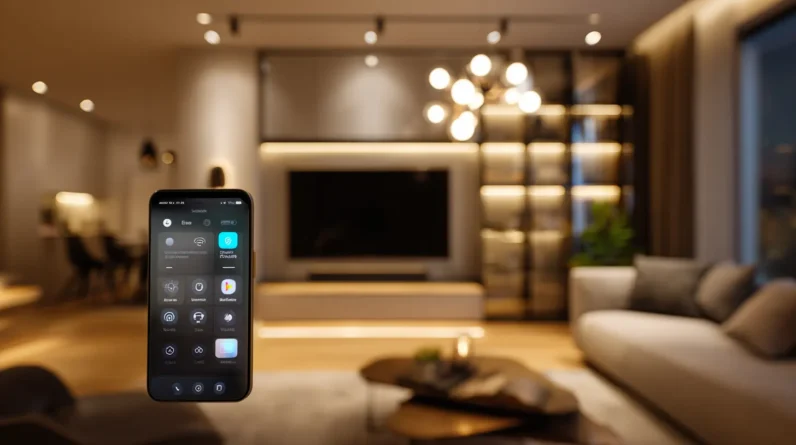
While we’ve addressed smartphone notifications, our bedroom environments themselves—increasingly populated with smart speakers, connected thermostats, and automated lighting systems—introduce additional circadian disruptions we’re only beginning to understand. We’re creating an overactive digital environment that contradicts sleep physiology fundamentals.
Data driven sleep tracking devices exemplify this paradox: they monitor sleep metrics with precision, yet their blue-light emissions and constant connectivity stimulate wakefulness. Smart thermostats optimize temperature control, but their network activity generates electromagnetic fields that may influence neural activity.
We’re fundamentally transforming bedrooms into operational command centers rather than restorative sanctuaries. The cumulative effect—electromagnetic radiation, light pollution, psychological arousal from device presence—overwhelms our nervous system’s capacity to achieve deep sleep states. We must critically evaluate whether convenience justifies these physiological costs.
Breaking the Pre-Sleep Tech Habit: Practical Strategies
Because our brains’ circadian rhythms respond predictably to external stimuli, we can strategically interrupt the pre-sleep tech cycle through evidence-based interventions. Implementing tech minimization tactics—such as establishing a device cutoff window 60-90 minutes before sleep—reduces blue light exposure and allows melatonin production to resume naturally.
We’ll establish healthy bedtime routines that replace screen time with competing activities: reading, progressive muscle relaxation, or journaling. These alternatives engage different neural pathways without suppressing sleep-promoting neurotransmitters.
Physical separation proves effective; we recommend placing devices in another room rather than relying on willpower alone. This removes temptation at the neurobiological level.
Gradual implementation outperforms abrupt cessation, reducing withdrawal effects and improving adherence. We’re rewiring our pre-sleep behaviors through deliberate, measurable changes grounded in sleep physiology.
Reclaiming Better Sleep by Redesigning Your Bedroom Tech
The bedroom environment exerts measurable influence on sleep quality, and strategic device placement can dramatically alter this dynamic. We recommend establishing an evening device curfew—ideally 60-90 minutes before sleep—to allow melatonin production to normalize. Physically relocate charging stations outside the bedroom; this eliminates ambient light and reduces psychological tether to notifications. For ideal lighting conditions, we suggest installing blue-light filtering bulbs or blackout solutions that block external light sources, including device indicators. Consider removing smart displays entirely from sleeping quarters, as their standby LEDs and connectivity signals create environmental disruption. We can implement these changes systematically: designate a tech-free zone, utilize airplane mode on necessary devices, and employ light-blocking measures. These evidence-based modifications directly support circadian rhythm restoration.
Conclusion
We’ve examined how blue light disrupts circadian rhythm regulation and how notification alerts fragment sleep architecture. While smart devices offer genuine benefits, the evidence suggests their nighttime use carries measurable costs. We’d recommend establishing device-free zones two hours before sleep, enabling night mode settings, and critically evaluating which smart bedroom features genuinely enhance rest versus merely adding convenience. Individual responses vary, so monitor your sleep quality objectively.