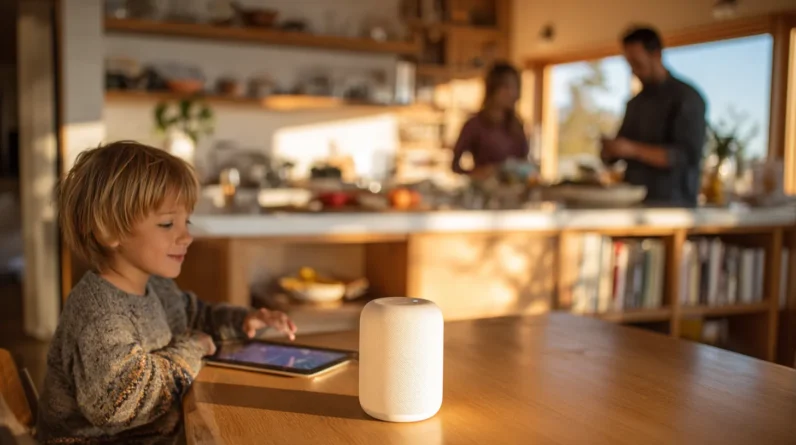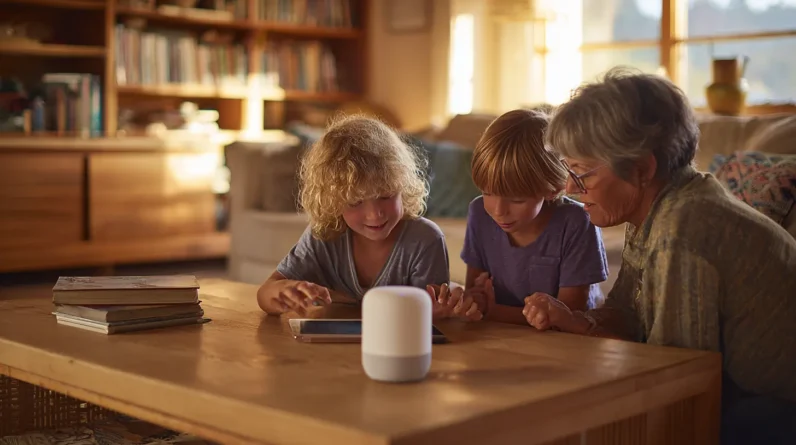



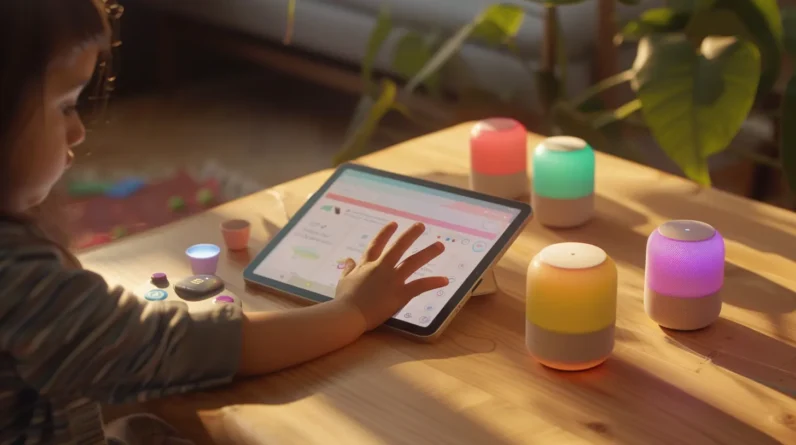
We’ve found that tablets, smartphones, e-readers, and smart speakers can meaningfully support your child’s learning when you’re intentional about their use. The key is matching devices to your child’s developmental stage and learning style while establishing clear screen time boundaries—typically 1-2 hours daily for elementary-aged children. You’ll strengthen family learning by engaging alongside your child rather than using devices as digital babysitters. Understanding how to navigate these tools effectively reveals strategies that transform technology into a powerful educational partner.
Types of Smart Devices That Support Family Learning
Because today’s families navigate an increasingly digital landscape, we’ve got more options than ever to support learning together. Tablets and smartphones host interactive apps designed for specific developmental stages, from toddler phonics to middle-grade STEM concepts. Digital learning platforms like Khan Academy and Duolingo offer personalized progress tracking, enabling parents to monitor advancement and identify learning gaps. Smart speakers can facilitate language development through educational audio content and interactive storytelling. E-readers expand literacy exposure while accommodating different reading levels within families. Laptops and computers remain essential for accessing broad digital learning platforms that scaffold complex subjects. We’re selecting devices strategically, matching them to our children’s developmental needs while fostering collaborative learning experiences that strengthen family engagement with education.
How to Choose the Right Device for Your Child’s Age and Learning Style
While we’ve identified several device options, selecting the right one requires matching specific features to our child’s developmental stage and how they learn best. Consider device compatibility with educational apps that align with your child’s cognitive abilities. For younger learners, tablets with larger screens and touchscreen interfaces support motor skill development. Older children benefit from devices offering advanced functionality and keyboard input. Evaluate learning environment suitability by gauging your home setup—whether you need portability or a dedicated study space. Visual learners thrive with rich graphics and video content, while kinesthetic learners benefit from interactive, hands-on applications. Review processing power and storage capacity based on the complexity of educational software your child requires. This strategic matching guarantees sustained engagement and ideal learning outcomes.
Setting Screen Time Limits and Privacy Safeguards That Actually Work
Selecting the ideal device sets the foundation for learning, but we can’t ignore what happens once our children start using it. We’ll implement device monitoring approaches that align with developmental stages—younger children benefit from stricter controls, while older kids need graduated independence. We’re establishing clear screen time limits: 1-2 hours daily for elementary-aged children, with content-specific boundaries for adolescents.
We’re prioritizing responsible online safety through parental controls, app permissions, and regular check-ins rather than surveillance. We’ll use built-in features like app timers and downtime scheduling. We’re creating family agreements around device use that our children help develop, fostering ownership and digital literacy.
We’ll review our safeguards quarterly as our children grow, adjusting restrictions based on their demonstrated responsibility and evolving needs.
Using Smart Devices to Strengthen Parent-Child Learning Together
Once we’ve established healthy boundaries and safeguards, we’re positioned to leverage smart devices as powerful learning catalysts that deepen our connection with our children. We can engage in creative learning activities that adapt to each child’s developmental stage, making personalized instruction methods accessible within our homes.
| Activity Type | Developmental Benefit | Device Application |
|---|---|---|
| Interactive storytelling | Language acquisition | Tablet apps with narration |
| Coding games | Problem-solving skills | Programming platforms |
| Virtual museum tours | Cultural literacy | Streaming services |
| Collaborative projects | Social-emotional growth | Shared learning apps |
When we participate alongside our children, we model curiosity and validate their learning journey. We’re not outsourcing education but rather enhancing it through technology that responds to individual paces and learning styles, creating meaningful moments that strengthen our relationships while building essential competencies.
Common Pitfalls Parents Make With Educational Technology
Despite our best intentions, we often undermine educational technology’s effectiveness by defaulting to convenience over engagement. We frequently use devices as digital babysitters rather than learning tools, which diminishes their developmental value. Without intentional monitoring device usage, children passively consume content instead of actively participating in meaningful learning experiences.
We also fail to establish boundaries, inadvertently fostering technology addiction. Research shows that unlimited screen time impairs attention span, sleep quality, and social-emotional development. Additionally, we neglect to preview educational apps or engage alongside our children, missing opportunities to reinforce concepts and model healthy tech habits.
The solution requires deliberate choices: co-view content, set clear limits, and select apps aligned with developmental stages. By shifting from passive consumption to purposeful interaction, we transform devices into powerful learning partners that genuinely support family growth.
Conclusion
We’ve discovered that smart devices aren’t inherently good or bad for family learning—what matters is how we’re using them. Research shows that when parents actively engage alongside their children, tech becomes a powerful learning tool that strengthens bonds while building skills. The key isn’t eliminating screens; it’s being intentional about our choices, setting boundaries, and staying involved. That’s where real developmental growth happens.