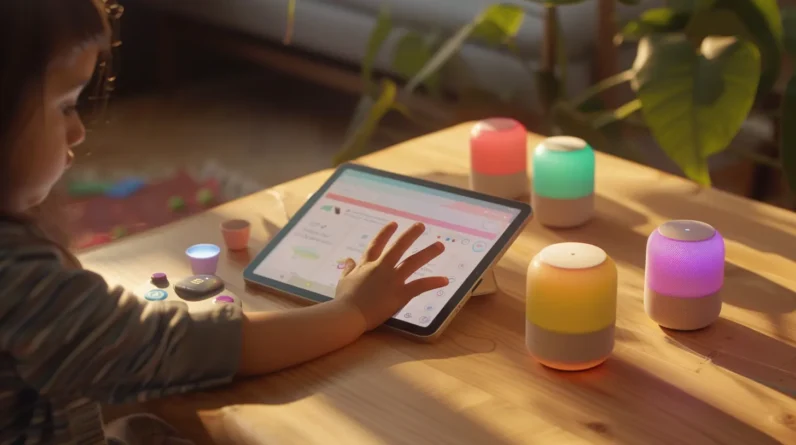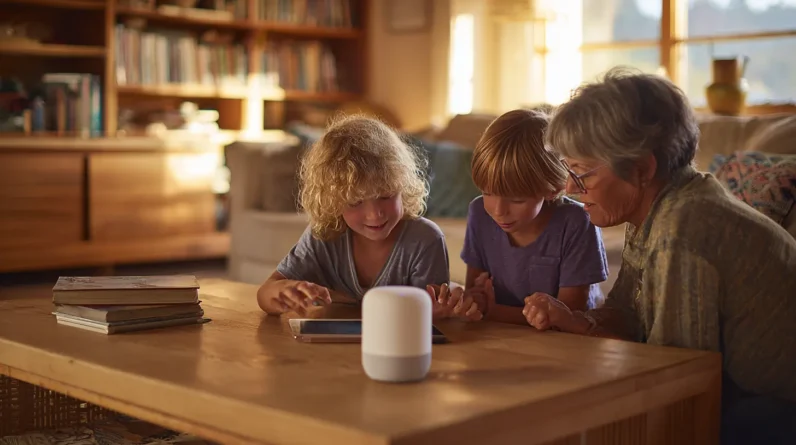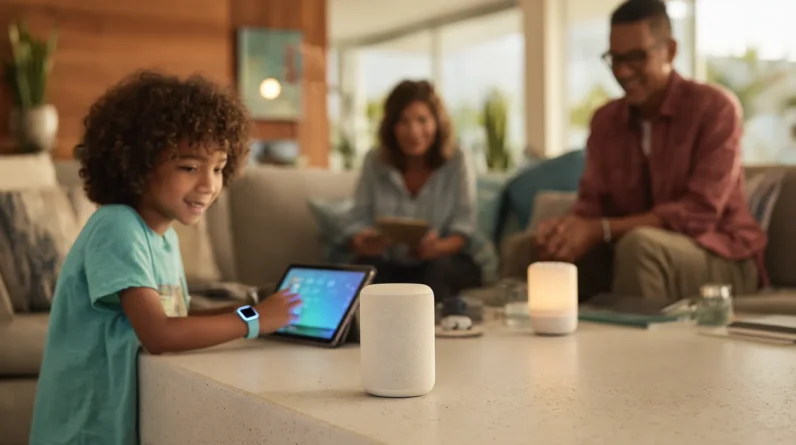



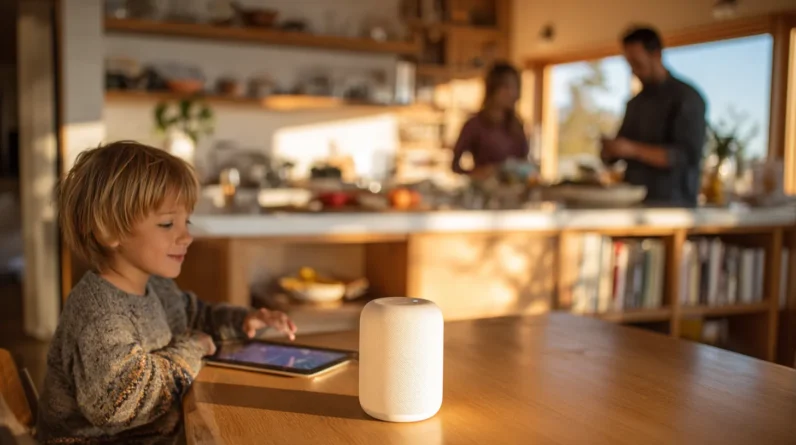
We can transform family routines by leveraging smart devices to guide kids through homework, chores, and bedtime without constant reminders. Voice assistants provide neutral prompts that reduce emotional resistance, while automated alerts shift oversight from parents to technology. Color-coded calendars and scheduling apps help children develop time management skills and independence. Smart lighting and audio cues establish consistent morning and bedtime routines through repetition. When we balance these powerful tools with screen-free zones and privacy safeguards, we create healthier device relationships that truly support family life.
Smart Devices That Help Kids Stay on Track With Chores and Homework
How can we help our kids remember their responsibilities without constant reminding? Smart devices offer practical solutions through productive task management systems that automate reminders and track progress. We can set up shared calendars and notification apps that alert children when chores or homework deadlines approach, reducing parental nagging.
Adaptive learning resources embedded in educational apps adjust difficulty levels based on performance, helping kids tackle assignments independently. Voice-activated assistants can prompt children through daily routines while providing encouragement and accountability.
These technologies work best when we establish clear expectations upfront. We’re not replacing parental involvement—we’re enabling kids to internalize responsibility. By combining smart device features with consistent family routines, we create structures that encourage independence while keeping everyone accountable and on schedule.
How Voice Assistants and Smart Reminders Reduce Parental Nagging
Because we’ve all found ourselves repeating the same requests day after day, voice assistants and smart reminders offer a game-changing alternative to constant nagging. These hands-free task reminders eliminate the need for us to verbally prompt our kids repeatedly, shifting responsibility to the technology instead.
When we set up automated reminders for homework deadlines, chore schedules, and bedtime routines, we’re minimizing household friction that typically stems from parental enforcement. Kids respond better to neutral reminders from devices than from us—there’s less emotional resistance when Alexa announces it’s time to practice piano rather than hearing it from a parent.
This approach empowers our children to develop independence while we reduce the mental load of oversight. We’re not removing ourselves from their lives; we’re optimizing how we guide them.
Building Consistent Bedtime and Morning Routines With Automation
While bedtime and morning routines are notoriously difficult to enforce consistently, smart devices can anchor these shifts with automated sequences that eliminate the daily negotiation. We’ve found that programming evening wind down procedures—gradual lighting adjustments, temperature changes, and calming audio—signals our kids’ bodies it’s time to sleep. Similarly, consistent wake up alerts paired with motivational announcements create predictable morning momentum.
| Routine Phase | Automation Trigger | Expected Outcome |
|---|---|---|
| 8:00 PM | Lights dim 30% | Melatonin production begins |
| 8:30 PM | White noise activates | Reduced external distractions |
| 7:00 AM | Gradual brightness increase | Natural cortisol rise |
| 7:15 AM | Upbeat announcement plays | Positive wake response |
| 7:30 AM | Temperature adjustment | Alertness enhancement |
We’re establishing neural pathways through repetition, transforming resistance into automatic compliance.
Teaching Time Management Skills Through Smart Calendars and Scheduling
Beyond automating routines, smart devices can teach children to manage their own time by making schedules visible and interactive. We’re leveraging time blocking techniques through color-coded calendar apps that break the day into focused activity periods. Children see exactly how long homework, sports, and leisure take, building realistic time awareness.
Smart calendars support habit formation strategies by sending timely reminders before shifts occur. This scaffolding helps kids internalize sequences without constant parental prompting. We’re encouraging them to set their own alerts, fostering ownership of their schedules.
Balancing Device Benefits With Screen Time and Privacy Concerns
Smart devices offer undeniable advantages for organizing family life, yet we can’t ignore the legitimate concerns that come with increased screen exposure and data collection. We’re maneuvering device addiction risks by establishing clear boundaries—designating screen-free zones during meals and before bedtime. Parental monitoring approaches shouldn’t feel like surveillance but rather protective guidance. We’ve found success with transparency: discussing why we monitor usage and involving kids in setting reasonable limits. Privacy matters too. We’re selective about which apps we grant permissions, regularly reviewing data practices. By combining scheduling benefits with intentional restrictions, we’re teaching our children that technology serves us rather than controls us. This balanced approach fosters healthy device relationships while maintaining family well-being.
Conclusion
Smart devices can be game-changers for family routines, helping you streamline chores, homework, and bedtimes without constant reminding. They’re not magic wands, though—they work best when you’re intentional about implementation. Set clear boundaries around screen time and privacy, involve your kids in the process, and remember that technology supports your parenting, not replaces it. When balanced thoughtfully, these tools help your family thrive.