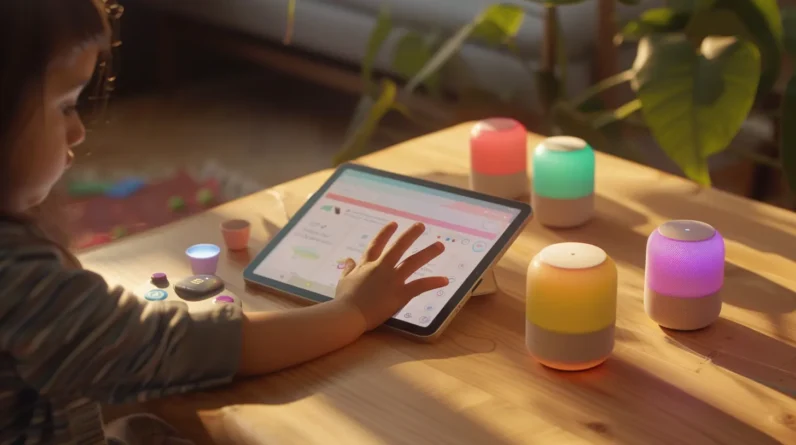




We’re reshaping how our families interact with smart devices in our homes, and the research shows a real paradox: we’re more connected yet often more isolated. Our kids’ sleep suffers from blue light exposure, affecting their development and academic performance. Setting device-free zones during meals and bedtime helps strengthen face-to-face connections. Teaching kids about digital privacy and safety matters too. The key’s finding balance—not eliminating technology, but being intentional about when and how we use it. There’s much more to discover about creating meaningful family moments.
How Smart Devices Are Changing the Way Families Interact
As smart devices become household staples, they’re fundamentally reshaping how we communicate and spend time together. Device-enabled communication now allows us to connect instantly across distances, yet it’s simultaneously fragmenting our in-home interactions. We’re experiencing a paradox: we’ve never been more “connected” while simultaneously more isolated within our own households.
Achieving family technology balance requires intentional strategies. We’re discovering that establishing device-free zones during meals and designated tech-free hours strengthens our face-to-face connections. Smart devices can facilitate family bonding through shared streaming experiences and collaborative digital projects, but only when we’re deliberately managing their presence.
We’re learning that these tools serve our family dynamics best when we’re proactive rather than reactive about their integration.
Screen Time, Sleep, and Development: What Research Shows
While we’re embracing smart devices’ benefits, we can’t ignore their impact on our children’s sleep and development. Research consistently shows that excessive screen exposure before bedtime disrupts sleep cycles, affecting cognitive development and academic performance. The blue light emitted by devices suppresses melatonin production, making it harder for kids to fall asleep.
We’ve learned that balanced media consumption is essential. Experts recommend establishing device-free zones during meals and before bed. When we limit screen time to one to two hours daily of quality content, we’re supporting healthy brain development and neural connections.
The key isn’t eliminating devices entirely—it’s implementing thoughtful boundaries. We can harness technology’s educational potential while protecting the sleep and developmental needs our children require for ideal growth.
Setting Boundaries That Actually Work in a Connected Home
Understanding the importance of screen limits is one thing; implementing them consistently across a household full of connected devices is another challenge entirely. We’ve found that success requires establishing device-free routines that everyone respects—designating tech-free mealtimes, bedrooms, and morning hours creates natural boundaries. Age-appropriate usage guidelines matter too; what works for a teenager differs noticeably from what’s suitable for a younger child. We recommend involving kids in setting rules rather than imposing them unilaterally, which increases buy-in and understanding. Use your device’s built-in parental controls strategically, but don’t rely solely on technology enforcement. Regular family conversations about why boundaries exist help reinforce their purpose beyond mere restriction. Consistency across all devices and caregivers proves essential for real, lasting change.
Privacy, Safety, and What Your Family Needs to Know
Setting boundaries around device use gives us a foundation, but we can’t stop there—we’ve got to address what happens behind those screens. Our children’s digital footprint expands with every interaction, search, and account they create. We need to understand what data companies collect, how they use it, and what privacy controls we can activate.
Online safety requires vigilance. We’re teaching kids to recognize phishing attempts, manage passwords responsibly, and think critically about what they share. We’re also modeling healthy skepticism about requests for personal information.
Have honest conversations about consequences. When they understand how their choices create lasting digital records, they’re more likely to make thoughtful decisions. This isn’t about fear—it’s about equipping them with awareness and tools to navigate confidently.
Building Real Connection When Devices Compete for Attention
As our kids spend more time scrolling, texting, and streaming, we’re noticing something troubling: the quality of our face-to-face interactions is shifting. We can reclaim meaningful connection by establishing clear priorities around quality time. Designate device-free zones during meals and before bedtime, creating space for distraction-free communication where everyone’s fully present. We’ve found that active listening—putting phones away entirely—demonstrates to our children that they matter more than notifications. Set realistic expectations: we’re not eliminating devices but rather being intentional about when and how we use them. Schedule regular tech-free activities that engage everyone. These boundaries aren’t restrictions; they’re invitations to deeper understanding. When we prioritize genuine interaction, we model the human connection our kids genuinely crave beneath the screen’s glow.
Conclusion
We’re traversing newfound technological terrain thoughtfully. Smart devices deliver tremendous advantages—connecting families, facilitating learning, and simplifying schedules—yet demand deliberate discipline. By balancing benefits with boundaries, monitoring metrics like screen time, and prioritizing presence over pixels, we’re safeguarding our children’s development. We’ve discovered that devices don’t diminish family bonds; our decisions do. Strategic, sensible management means we’re optimizing technology’s gifts while maintaining meaningful moments that matter most.