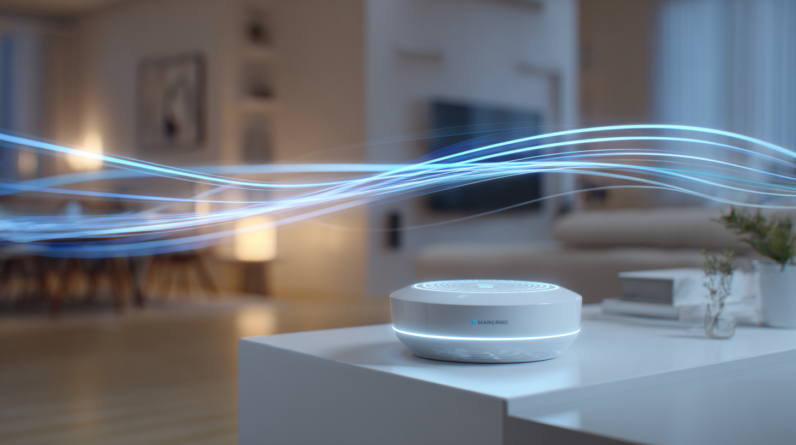




We’re witnessing homes evolve from passive structures into intelligent ecosystems powered by AI and machine learning—technology that mirrors what’s already in our phones. These connected environments learn our routines, anticipate needs, and optimize comfort through integrated sensors and voice assistants. But this convenience comes with trade-offs: expanded digital vulnerabilities, behavioral data collection, and security risks. Future-proofing requires robust infrastructure, standardized protocols, and encryption safeguards. Understanding how to balance innovation with protection proves essential as our living spaces become increasingly responsive.
The Evolution of Connected Living Spaces
As our homes become increasingly intelligent, we’re witnessing a fundamental shift in how spaces respond to our needs. We’re integrating smart appliances that learn our routines, optimizing energy consumption and comfort simultaneously. These connected systems communicate seamlessly, creating ecosystems that anticipate rather than merely react.
Home renovations now incorporate IoT infrastructure from inception—embedded sensors, unified networks, and interoperable devices working cohesively. We’re designing for adaptability, ensuring our dwellings evolve with technological advancement rather than become obsolete.
The convergence of artificial intelligence and residential automation enables predictive functionality. Our homes now diagnose maintenance issues before failures occur, adjust climate control based on occupancy patterns, and enhance security through intelligent monitoring. This isn’t speculative—we’re actively building this infrastructure today, transforming passive structures into dynamic, responsive living environments.
AI and Machine Learning: The Brain Behind Smart Homes
The intelligence powering these responsive environments stems from sophisticated AI and machine learning algorithms that process vast streams of data from embedded sensors and connected devices. We’re witnessing unprecedented optimization as artificial intelligence learns our preferences, habits, and behavioral patterns in real time.
Smart sensors distributed throughout our homes continuously gather environmental data—temperature fluctuations, occupancy patterns, energy consumption metrics. Machine learning models analyze this information, identifying correlations we’d never detect manually. The system adapts autonomously, adjusting heating, lighting, and security protocols without explicit commands.
We’re fundamentally training intelligent systems that anticipate our needs before we articulate them. This predictive capability represents the convergence of computational power and contextual awareness. As algorithms mature, our homes become increasingly proactive rather than reactive, fundamentally transforming how we inhabit and interact with our living spaces.
Essential Smart Home Technologies Today
While AI forms the foundational intelligence layer, we’re now seeing the essential hardware and platforms that translate that computational power into tangible home automation emerge as the real differentiators in today’s smart home ecosystem. Voice Assistants like Alexa and Google Assistant serve as primary interaction points, converting natural language into actionable commands. Smart Devices—from thermostats to lighting systems—form the distributed network executing these directives. We’re witnessing convergence around open protocols and interoperability standards that enable seamless device communication. The sophistication lies not merely in individual components but in their orchestrated integration. As practitioners, we recognize that robust connectivity infrastructure, edge computing capabilities, and standardized APIs determine whether deployments succeed. These technologies collectively transform abstract AI potential into practical, responsive environments that anticipate user needs while maintaining security and efficiency.
The Privacy and Security Trade-offs
Because we’ve embraced interconnected smart home ecosystems, we’re simultaneously expanding our digital attack surface and surrendering granular data about our daily routines. Each connected device—from thermostats to security cameras—introduces potential vulnerabilities that sophisticated actors can exploit.
We’re confronting genuine data risks: manufacturers collect behavioral patterns, device manufacturers monetize insights, and inadequate encryption leaves us exposed. Cyber threats evolve faster than security patches, creating windows where our homes become compromised. We’re trading convenience for vulnerability.
Yet we can’t ignore the paradox: the intelligence that makes homes truly smart requires data collection. We’re forced to evaluate whether benefits justify exposure. Forward-thinking homeowners must implement network segmentation, demand transparency from manufacturers, and maintain rigorous authentication protocols. We’re not choosing between security and smart living—we’re negotiating the terms.
Creating Homes That Anticipate Your Needs
Beyond securing our homes against external threats, we’re discovering that truly intelligent systems anticipate our preferences before we articulate them. Machine learning algorithms analyze our behavioral patterns—temperature adjustments, lighting preferences, activity schedules—to create dynamic environments that adapt seamlessly. Voice assistants now function as command centers, orchestrating interconnected devices with natural language processing. Smart furniture equipped with sensors adjusts ergonomics in real time, monitoring posture and comfort levels. These systems learn from our habits, refining their responses continuously. We’re shifting from reactive technology to predictive ecosystems where homes understand occupants’ needs intuitively. This convergence of IoT, artificial intelligence, and user data creates living spaces that work autonomously, enhancing efficiency while minimizing user intervention. The sophistication lies not in complexity, but in invisible, anticipatory responsiveness.
Preparing Your Home for Tomorrow’s Technology
As we embrace homes that anticipate our needs, we’ll want to guarantee our physical infrastructure can support the intelligence layer we’re adding. Our wiring, bandwidth, and power systems must evolve accordingly.
| Infrastructure Element | Current Requirement |
|---|---|
| Ethernet Backbone | Gigabit minimum throughout |
| Power Distribution | Smart-ready circuits with monitoring |
| Wireless Coverage | Mesh network redundancy |
Home automation demands robust connectivity. We’re integrating smart decor, IoT devices, and AI systems that require seamless communication. Future-proofing means installing conduit during renovations, upgrading electrical panels, and establishing dedicated networks for critical systems.
We’ll need standardized protocols—Matter, Thread, and similar frameworks—to prevent vendor lock-in. This infrastructure investment isn’t glamorous, but it’s foundational. Without it, tomorrow’s intelligent ecosystems won’t function ideally.
Conclusion
We’re standing at the intersection of convenience and vulnerability. Smart homes promise anticipatory comfort while demanding our data as payment. As AI becomes increasingly sophisticated, we can’t ignore that seamless automation comes bundled with surveillance risks. Yet opting out means sacrificing efficiency gains we’ve grown accustomed to. The path forward demands we architect systems where intelligence doesn’t compromise autonomy—where tomorrow’s homes protect us as fiercely as they serve us.