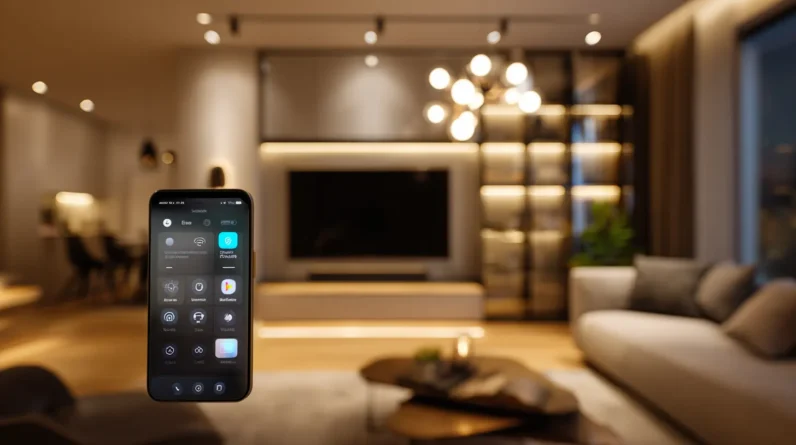



We’ll help you transform your bedroom into a sleep-optimized smart environment. Start by identifying pain points like lighting control and temperature regulation, then assess your Wi-Fi coverage and budget constraints. Choose a platform—Apple HomeKit, Google Home, or Amazon Alexa—that matches your existing devices. Install essentials like smart lighting for circadian rhythm support, temperature-controlled beds, and sleep monitoring systems. Configure automated routines and energy-saving modes systematically. The details that’ll make your setup truly effective await in the sections ahead.
Assess Your Bedroom’s Current Tech Needs and Constraints
Before you’ll invest in smart devices, you need to evaluate what your bedroom actually requires. We’ll conduct a bedroom audit to identify your specific needs and tech limitations. Start by documenting current pain points: lighting control, temperature regulation, security monitoring, or sleep tracking. Next, assess your infrastructure constraints—Wi-Fi coverage, electrical outlet availability, and network bandwidth. Consider your existing smart home ecosystem compatibility to avoid fragmented systems. Evaluate budget constraints and prioritize features delivering measurable impact on sleep quality and convenience. Document any physical limitations, such as rental restrictions or architectural obstacles. Finally, establish baseline metrics to measure improvement after implementation. This systematic assessment prevents costly mistakes and guarantees your smart device strategy aligns with your bedroom’s unique requirements.
Choose the Right Smart Home Platform for Seamless Integration
Once you’ve identified your bedroom’s specific needs and constraints, you’ll want to select a smart home platform that unifies your devices into a cohesive system. We’re evaluating three dominant ecosystems: Apple HomeKit, Google Home, and Amazon Alexa.
Each platform offers distinct advantages. HomeKit prioritizes privacy through on-device processing. Google Home excels in integration breadth and AI capabilities. Alexa dominates market share with extensive third-party device compatibility.
Consider these factors: Do your existing devices align with one ecosystem? Which Voice Assistants suit your interaction preferences? Will Smart Hubs provide reliable local control and automation?
We recommend selecting a platform matching your device inventory and long-term strategy. This foundation prevents costly ecosystem migrations later. Verify compatibility before purchasing additional smart devices.
Essential Smart Devices That Actually Improve Sleep Quality
Now that you’ve established your smart home platform, we can focus on devices that directly enhance sleep quality—the foundation of your bedroom automation strategy. Smart mattresses with sleep monitoring capabilities track REM cycles, heart rate variability, and sleep stages, providing actionable data for optimization. Smart lighting systems that implement circadian rhythm protocols gradually dim wavelengths toward amber tones, suppressing melatonin disruption. White noise machines with integrated relaxation techniques—guided breathwork, progressive muscle relaxation—facilitate faster sleep onset. Temperature-controlled smart beds maintain ideal micro-climates between 60-67°F, accelerating deep sleep phases. Integration with your platform enables automated evening routines: synchronized dimming, white noise activation, and temperature adjustment. These devices work systematically together, creating measurable improvements in sleep latency and overall sleep architecture within two weeks of consistent use.
Install and Configure Your Devices Without the Headaches
While smart sleep devices promise significant improvements, their benefits depend entirely on proper installation and configuration. We’ll walk you through a systematic approach that eliminates common setup frustrations.
Start by consulting your device’s user manuals thoroughly—they’re engineered specifically for your model’s requirements. Position sensors and monitors according to manufacturer specifications, as placement directly affects accuracy. Connect devices to your home network using stable 2.4GHz bands rather than 5GHz for better range and reliability.
When device troubleshooting becomes necessary, systematically verify power connections, network connectivity, and firmware updates before contacting support. Configure app settings methodically, testing each feature incrementally. This methodical approach prevents cascading errors and guarantees the best performance from day one.
Optimize Your Setup for Energy Efficiency and Daily Convenience
After you’ve installed your devices correctly, we’ll configure them to minimize energy consumption while maximizing daily convenience. Start by scheduling smart lighting to align with your natural routines—set earlier dimming times during off-peak hours and automated shutoffs for unoccupied rooms. Integrate your voice assistants to control multiple devices simultaneously, reducing manual interactions and standby power drain.
Configure sleep modes on all connected devices to disable unnecessary features during nighttime hours. Establish geofencing protocols that trigger energy-saving profiles when you’re away. Prioritize devices with energy monitoring capabilities, allowing you to identify consumption patterns and adjust settings accordingly.
Stack automation routines to create cascading actions—one command triggering coordinated responses across your ecosystem. This systematic approach delivers measurable efficiency gains while streamlining your daily interactions with bedroom technology.
Conclusion
We’ve walked through evaluating your bedroom’s tech ecosystem, selecting a unified platform, installing sleep-enhancing devices, and configuring everything for ideal energy consumption. You’re now equipped to systematically integrate smart technology that actually improves your rest while maintaining operational efficiency. By following this structured approach, we’ve eliminated guesswork from your bedroom upgrade—you’ll achieve seamless automation tailored to your specific needs without unnecessary complexity or wasted resources.