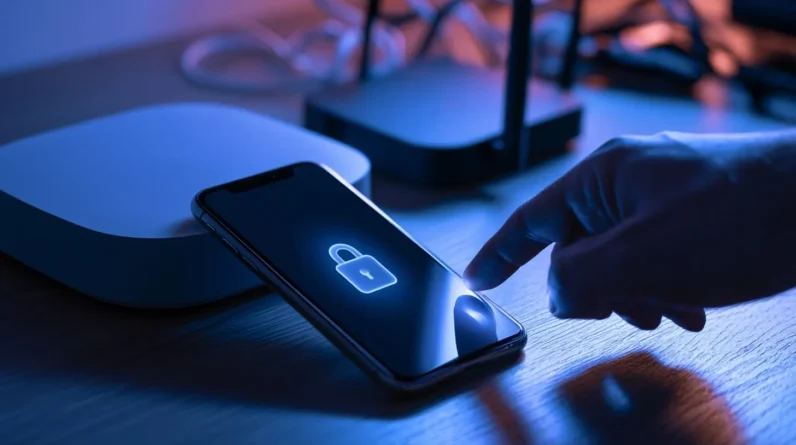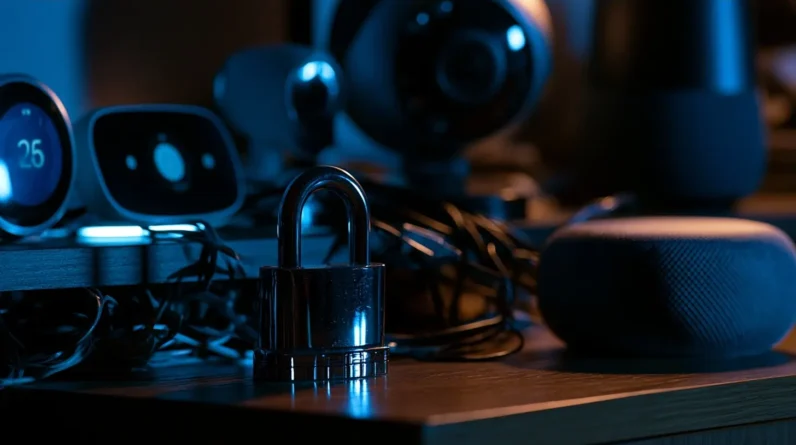



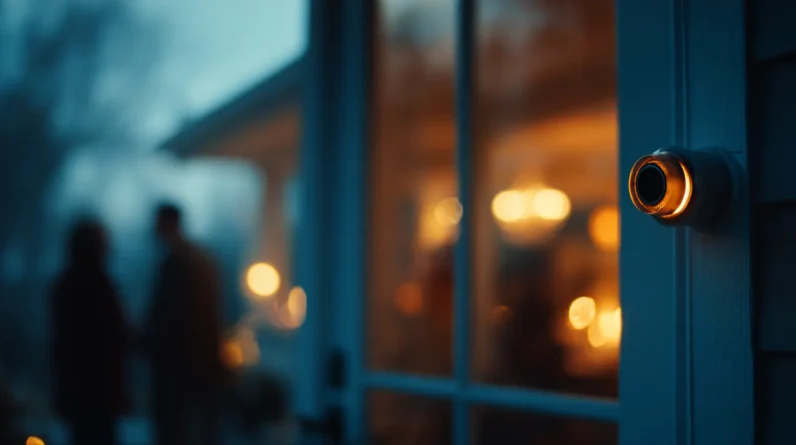
Smart home security trades convenience for real vulnerability. We’ve connected our locks, cameras, and speakers to networks that manufacturers rarely secure properly—shipping devices with default passwords and skipping critical firmware updates. Hackers exploit these gaps to steal behavioral data, compromise corporate networks, and even tip off burglars. The good news is that simple steps can dramatically reduce your exposure. Stick with us, and we’ll show you exactly where the dangers hide and how to stop them.
The Real Risks Hiding in Smart Home Security
Smart home devices promise convenience, but they also open doors—sometimes literally—to serious security vulnerabilities. We’re connecting thermostats, cameras, locks, and appliances to networks that weren’t designed with airtight security in mind. Many manufacturers prioritize speed-to-market over rigorous security protocols, shipping devices with default passwords, unencrypted data transmissions, and firmware that rarely gets updated. Each connected device becomes a potential entry point—not just for burglars, but for hackers who can surveil your home, steal personal data, or hijack your network. Research consistently shows that smart home ecosystems expand what security professionals call the “attack surface.” The more devices we add, the more exposure we create. Understanding these risks isn’t about paranoia—it’s about making informed decisions before we hand our homes over to convenience.
What Hackers Actually Do With Your Home Data
Once hackers access our smart home data, they don’t just sit on it—they monetize it in ways most of us never anticipate. Behavioral patterns get sold to data brokers, who package our routines into targeted advertising profiles. Vacation schedules get auctioned to burglary networks operating across encrypted forums. Voice recordings containing financial details or passwords get exploited for identity theft or social engineering attacks.
More sophisticated actors use our network credentials as entry points into corporate systems—particularly when we’re working remotely. They’ll also leverage compromised devices to build botnets, recruiting our cameras and thermostats into distributed denial-of-service attacks against third-party targets.
The uncomfortable reality is that our data rarely serves a single criminal purpose. It circulates, gets repackaged, and continues generating value long after the initial breach.
Which Smart Security Devices Are Most Vulnerable?
Not all smart devices carry equal risk—some are far more exposed than others, and knowing which ones tops the vulnerability list helps us prioritize where to focus our defenses.
Research consistently flags these as the highest-risk entry points:
- Smart doorbells and cameras — often ship with weak default credentials and unencrypted video streams
- Smart locks — Bluetooth and Z-Wave implementations frequently contain exploitable protocol flaws
- Wi-Fi routers — compromised routers expose every connected device simultaneously
- Smart speakers — always-on microphones paired with minimal security patching create persistent surveillance risks
What makes these devices particularly dangerous isn’t just their individual vulnerabilities—it’s their interconnected nature. One compromised device cascades across our entire network, turning a single weak link into a system-wide breach.
How to Lock Down Your Smart Home Right Now
Knowing which devices carry the most risk gives us a clear starting point—now let’s put that knowledge to work. First, segment your network by placing smart devices on a dedicated guest Wi-Fi, keeping them isolated from computers and phones holding sensitive data. Change every default credential immediately—manufacturers’ factory passwords are publicly documented. Enable two-factor authentication on all connected accounts without exception. Audit your devices regularly; anything no longer receiving firmware updates becomes a liability, so replace it. Disable features you’re not using—unnecessary open ports and remote access options are attack surfaces waiting to be exploited. Finally, review app permissions aggressively. Most smart home apps request far more access than they need. Tighten those permissions, and we dramatically shrink our exposure.
Is Smart Home Security Worth It for Your Family?
After weighing the risks and the steps required to manage them, the real question becomes whether the payoff justifies the effort. For most families, it does — but only if the setup is deliberate.
Smart home security earns its place when it delivers:
- Real-time awareness of who enters and exits your home
- Remote control over locks, cameras, and alarms from anywhere
- Automated responses that act faster than you can
- Documented evidence that supports insurance claims or investigations
The tradeoff isn’t convenience versus safety — it’s informed adoption versus careless adoption. Families who treat these systems as infrastructure, not gadgets, gain measurable protection. Those who skip the hardening steps trade one vulnerability for another. Know what you’re running, and run it right.
Frequently Asked Questions
What Smart Home Security Brands Have the Best Customer Privacy Policies?
We’d recommend Ring, Arlo, and SimpliSafe for their transparent data policies. They let you control data sharing, limit third-party access, and clearly explain what they’re collecting—giving you genuine privacy ownership.
Can Smart Security Devices Work Without an Internet Connection?
Some smart security devices can “operate autonomously,” functioning offline via local storage and direct device-to-device communication. We’ll note, however, that most advanced features, like remote monitoring and cloud alerts, require internet connectivity to perform effectively.
Do Smart Home Devices Affect Homeowners Insurance Premiums or Coverage?
Yes, smart home devices can lower your premiums—insurers often offer discounts for monitored security systems, smoke detectors, and water sensors. We’d recommend notifying your insurer about installations, as some require documentation to activate coverage benefits.
What Age Is Appropriate for Children to Use Smart Security Features?
We recommend children around 12 and older can responsibly use smart security features, though we should supervise younger teens. They’ll need to understand privacy implications, emergency protocols, and the ethical weight of monitoring technology before gaining full access.
How Do Smart Security Systems Handle Data After You Cancel Service?
Cancelled contracts can’t completely cleanse collected credentials — we must demand data deletion policies upfront. Most providers retain your recordings, usage logs, and personal profiles for months, so we’ll want written confirmation they’ve purged everything post-cancellation.
Conclusion
We’ve walked through the warnings, weighed the wins, and wrestled with the worries that come with smart home security. The choice isn’t simple, but staying savvy keeps your family safer. We can’t ignore the risks hiding behind our convenient, connected devices. Let’s commit to protecting our privacy, patching our vulnerabilities, and pushing for smarter security standards. Your home deserves defenses that don’t become dangerous backdoors.